
.jpeg)
Can I take venetoclax if I have low white blood cells?
Leukopenia, or a decrease in the white blood cell count, especially neutropenia, is a common problem during the treatment of blood disorders. Venetoclax, as a targeted therapy, may further affect the blood system, especially the levels of white blood cells. Therefore, the continuation of venetoclax in patients with preexisting leukopenia needs to be carefully evaluated.
The mechanism of action of venetoclax induces cancer cell apoptosis by inhibitingBCL-2 protein, but it may also affect normal blood cell production. In particular, neutropenia (neutropenia) is one of the common side effects of venetoclax. Clinical data shows that during venetoclax treatment, about 40-50% of patients may experience varying degrees of neutropenia, which will increase the risk of infection. Especially in severe neutropenia, the probability and severity of infection will increase significantly. Therefore, taking venetoclax may exacerbate this risk in patients with inherently low white blood cells.
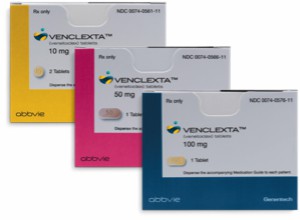
Whether you can continue to take venetoclax when your white blood cells are low needs to be determined based on the patient's specific situation. If the white blood cell count is mildly reduced and the patient is not at significant risk for infection, doctors may continue venetoclax therapy but closely monitor blood markers and may adjust the dose or add preventive measures, such as the use of growth factors (such as G-CSF) to promote neutrophil production. If the degree of leukopenia is severe, especially if the neutrophil count is significantly below the safe range, the doctor may temporarily stop venetoclax until the white blood cells return to acceptable levels before restarting treatment.
During treatment, doctors usually monitor the patient's blood routine regularly to ensure that the number of white blood cells is at a safe level. If there is a significant decrease in white blood cells, the doctor may adjust the treatment plan, reduce the dose of venetoclax, or provide the patient with medical support, such as injections of granulocyte stimulating factor (G-CSF) to help increase the white blood cell count. In addition, patients should avoid contact with infectious sources to reduce the risk of infection.
[ 免责声明 ] 本页面内容来自公开渠道(如FDA官网、Drugs官网、原研药厂官网等),仅供持有医疗专业资质的人员用于医学药学研究参考,不构成任何治疗建议或药品推荐。所涉药品可能未在中国大陆获批上市,不适用于中国境内销售和使用。如需治疗,请咨询正规医疗机构。本站不提供药品销售或代购服务。


