
.jpeg)
What is the effect of crizotinib in patients with locally advanced lung adenocarcinoma?
The clinical therapeutic effect of crizotinib in patients with locally advanced lung adenocarcinoma varies depending on individual differences, but in general, crizotinib can often demonstrate significant therapeutic effects in patients with lung adenocarcinoma carrying specific gene mutations such as ALK (anaplastic lymphoma kinase) or ROS1.
Crizotinib is a multi-target tyrosine kinase inhibitor mainly used to treat non-small cell lung cancer (NSCLC) carrying specific gene mutations such as ALK or ROS1, including locally advanced and metastatic lung adenocarcinoma. It achieves the purpose of treatment by inhibiting the activity of these mutated genes and blocking the growth and spread of tumor cells.
For patients with locally advanced lung adenocarcinoma, crizotinib is most effective in patients with lung adenocarcinoma carrying specific gene mutations such as ALK or ROS1. The presence of these mutated genes makes tumor cells highly sensitive to crizotinib, allowing for better therapeutic effects.
Patients with locally advanced lung adenocarcinoma have varying degrees of disease severity. For patients with relatively mild disease and small tumor burden, crizotinib may be able to achieve better therapeutic effects. For patients with severe disease and large tumor burden, the therapeutic effect of crizotinib may be affected to a certain extent.
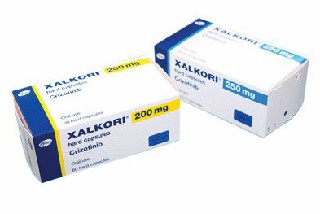
Different patients have different sensitivity and tolerance to crizotinib. Some patients may be highly sensitive to crizotinib and be able to quickly alleviate their disease; while other patients may be less sensitive to or intolerant to crizotinib, resulting in poor treatment efficacy.
Multiple clinical trials have confirmed the therapeutic effect of crizotinib in patients with locally advanced lung adenocarcinoma. For example, a Phase III clinical trial (PROFILE 1014) showed that compared with chemotherapy, crizotinib can significantly prolong the progression-free survival (PFS) and improve the objective response rate (ORR). Another one forROS1positiveNSCLCThe II phase clinical trial (PROFILE 1001) also showed that crizotinib also showed significant therapeutic effects in these patients.
Although crizotinib has shown significant therapeutic effects in patients with locally advanced lung adenocarcinoma, patients also need to pay attention to its potential adverse reactions during use. These adverse reactions include, but are not limited to, visual impairment, nausea, vomiting, diarrhea, edema, abnormal liver function, etc. In addition, a small number of patients may develop serious side effects such as interstitial lung disease (ILD)/pneumonitis. Therefore, patients need to be monitored and evaluated regularly during the use of crizotinib so that any adverse reactions can be detected and dealt with promptly.
Crizotinib is often used as part of a comprehensive treatment regimen for patients with locally advanced lung adenocarcinoma. In addition to targeted therapy, patients may also receive comprehensive treatment with other treatments such as chemotherapy, radiotherapy, and immunotherapy. The combined use of these treatments is intended to further improve treatment efficacy and prolong patient survival.
In summary, the clinical therapeutic effect of crizotinib in patients with locally advanced lung adenocarcinoma varies depending on individual differences, but in general, crizotinib can usually show significant therapeutic effects for lung adenocarcinoma patients carrying specific gene mutations such as ALK or ROS1. However, patients also need to pay attention to potential adverse reactions while using crizotinib and conduct comprehensive treatment under the guidance of a doctor.
[ 免责声明 ] 本页面内容来自公开渠道(如FDA官网、Drugs官网、原研药厂官网等),仅供持有医疗专业资质的人员用于医学药学研究参考,不构成任何治疗建议或药品推荐。所涉药品可能未在中国大陆获批上市,不适用于中国境内销售和使用。如需治疗,请咨询正规医疗机构。本站不提供药品销售或代购服务。


