
.jpeg)
Can patients with advanced non-small cell lung cancer take crizotinib?
Whether patients with advanced non-small cell lung cancer (NSCLC) can take crizotinib mainly depends on whether their tumors have specific genetic mutations. Crizotinib is mainly used to treat patients with anaplastic lymphoma kinase (ALK)-positive or ROS1-positive NSCLC. These two gene mutations are relatively rare in non-small cell lung cancer.
Crizotinib is an effective targeted therapy for patients with ALK-positive advanced non-small cell lung cancer. Multiple clinical trials have confirmed that crizotinib can significantly prolong progression-free survival and improve objective response rates in these patients. Therefore, crizotinib is an important treatment option for patients with ALKpositive advanced non-small cell lung cancer.
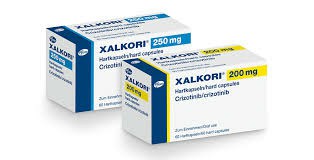
In addition to ALK positivity, ROS1 positivity is also another indication for crizotinib. ROS1positive NSCLC patients can also benefit from crizotinib treatment. These patients also often experience tumor shrinkage and symptom relief after taking crizotinib.
However, it should be noted that crizotinib is not suitable for all patients with advanced non-small cell lung cancer. Before taking crizotinib, patients need genetic testing to determine whether their tumors have specific gene mutations such as ALK or ROS1. Only patients with these gene mutations are suitable for treatment with crizotinib.
Crizotinib may cause some adverse reactions during use, such as visual impairment, nausea, vomiting, diarrhea, etc. Therefore, patients need to closely monitor their physical condition while using crizotinib and make necessary dose adjustments or symptomatic treatment under the guidance of a doctor.
[ 免责声明 ] 本页面内容来自公开渠道(如FDA官网、Drugs官网、原研药厂官网等),仅供持有医疗专业资质的人员用于医学药学研究参考,不构成任何治疗建议或药品推荐。所涉药品可能未在中国大陆获批上市,不适用于中国境内销售和使用。如需治疗,请咨询正规医疗机构。本站不提供药品销售或代购服务。


