
.jpeg)
Analysis of the key differences between erlotinib and gefitinib
Erlotinib and gefitinib, two targeted therapeutic drugs for non-small cell lung cancer (NSCLC), have shown efficacy in patients with EGFR gene-sensitive mutations.
Erlotinib is the world's first small molecule inhibitor of EGFR tyrosine kinase, especially suitable for EGFR Metastatic NSCLC patients with exon 19 deletion or exon 21 (L858R) mutation. Gefitinib is another oral EGFR-TK inhibitor, suitable for the treatment of locally advanced or metastatic NSCLC with EGFR gene-sensitizing mutations.
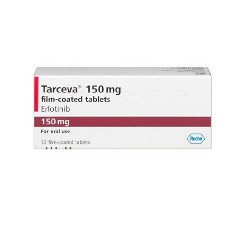
A study including1122 patients showed that erlotinib was superior to gefitinib in terms of survival benefit, specifically in terms of disease control rate and median overall survival (OS), respectively65.8% versus 58.9%, and 10.7 months versus 9.6 months.
However, the side effects of erlotinib are more obvious than those of gefitinib, especially gastrointestinal reactions (such as diarrhea), skin reactions (such as rash), and liver function abnormalities.
For patients with NSCLC who develop brain metastases, erlotinib shows higher blood-brain barrier penetration rate and cerebrospinal fluid drug concentration, and therefore performs better in controlling brain metastases.
Gefitinib is generally recommended to be taken once daily, while erlotinib may require dose adjustments in some cases based on patient response, especially when used concurrently with other medications that may interact.
BecauseEGFR mutation status is critical to drug response, patients should undergo genetic testing before treatment with either drug. At the same time, side effects should be closely monitored during treatment and corresponding treatment adjustments should be made as needed.
[ 免责声明 ] 本页面内容来自公开渠道(如FDA官网、Drugs官网、原研药厂官网等),仅供持有医疗专业资质的人员用于医学药学研究参考,不构成任何治疗建议或药品推荐。所涉药品可能未在中国大陆获批上市,不适用于中国境内销售和使用。如需治疗,请咨询正规医疗机构。本站不提供药品销售或代购服务。


