
.jpeg)
How effective is erlotinib in the treatment of pulmonary fibrosis?
The clinical efficacy of erlotinib in the treatment of pulmonary fibrosis is a complex and specific issue that needs to be evaluated based on existing clinical research and medical evidence. However, to be clear, erlotinib is not traditionally the drug of choice for the treatment of pulmonary fibrosis. Erlotinib, also known as Tarceva, is mainly an epidermal growth factor receptor (EGFR) tyrosine kinase inhibitor and is widely used in the targeted treatment of advanced non-small cell lung cancer (NSCLC), especially in patients with sensitive mutations in the EGFR gene. It has shown significant efficacy.
Erlotinib specifically blocks the EGFR intracellular conduction pathway and inhibits the EGFR tyrosine kinase activity, thereby interfering with tumor cell proliferation signal transmission and thereby controlling cancer cell growth. This mechanism has been widely verified and applied in NSCLC patients, especially in those patients with locally advanced or metastatic disease who have failed chemotherapy regimens, erlotinib has shown good efficacy as a third-line treatment.
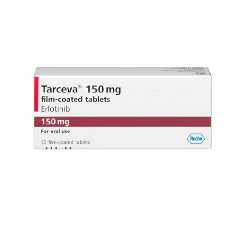
Although erlotinib has significant results in the anti-tumor field, there is currently no direct evidence that erlotinib is the standard drug or preferred option for the treatment of pulmonary fibrosis. Pulmonary fibrosis is a chronic, progressive lung disease characterized by the proliferation of fibroblasts and excessive deposition of extracellular matrix in lung tissue, leading to the destruction of lung tissue structure and function. Different from NSCLC, the pathogenesis of pulmonary fibrosis is more complex and involves the interaction of multiple cytokines, growth factors and immune cells.
Although the anti-tumor success of erlotinib suggests its potential for anti-fibrotic effects, there are currently very limited direct clinical study data on erlotinib in the treatment of pulmonary fibrosis. Some in vitro experiments and animal model studies have shown that the EGFR signaling pathway may play an important role in the process of pulmonary fibrosis. Therefore, inhibiting EGFR activity may have a certain therapeutic effect on pulmonary fibrosis. However, these results have not yet been fully validated in human clinical trials.
In addition, erlotinib also has certain limitations and potential risks during treatment. For example, erlotinib may cause interstitial lung disease (ILD) and other adverse reactions, which may be particularly serious for patients with existing symptoms of pulmonary fibrosis. Therefore, when considering erlotinib for the treatment of pulmonary fibrosis, its potential efficacy must be fully weighed against its risks.
At present, the treatment of pulmonary fibrosis mainly relies on the comprehensive application of drug therapy and non-drug treatment. In terms of drug treatment, pirfenidone and nintedanib are two drugs approved for the treatment of idiopathic pulmonary fibrosis (IPF). These drugs inhibit the process of pulmonary fibrosis and delay disease progression through different mechanisms. Non-drug treatments include oxygen therapy, pulmonary rehabilitation, lung transplantation, etc., aiming to improve patients' symptoms and quality of life.
[ 免责声明 ] 本页面内容来自公开渠道(如FDA官网、Drugs官网、原研药厂官网等),仅供持有医疗专业资质的人员用于医学药学研究参考,不构成任何治疗建议或药品推荐。所涉药品可能未在中国大陆获批上市,不适用于中国境内销售和使用。如需治疗,请咨询正规医疗机构。本站不提供药品销售或代购服务。


