
.jpeg)
Coping strategies for erlotinib resistance in patients with advanced lung cancer
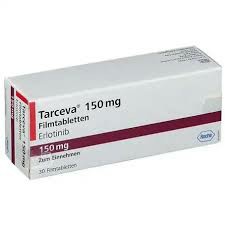
After patients with advanced lung cancer are treated with epidermal growth factor receptor (EGFR) tyrosine kinase inhibitors (TKI) such as erlotinib (Tarceva), drug resistance is an inevitable challenge.
First of all, it is crucial to conduct a second biopsy or blood genetic test to clarify the resistance mechanism. Resistance mechanisms may include EGFR secondary mutations (such as T790M, C797S, etc.), < /span>METamplification, HER2amplification, BRAF mutation or amplification, transformation to small cell lung cancer, etc. Understanding resistance mechanisms can help develop more precise treatment options.
If the T790M mutation occurs, consider switching to a third-generation TKI such as osimertinib, ametinib, etc. If the C797S mutation occurs, the treatment strategy needs to be selected based on the type of mutation (cis or trans). For cis mutations, first-generation combined with third-generation drugs may be considered; for trans mutations, brigatinib combined with cetuximab may be tried.
When MET is amplified, MET inhibitors such as sarvotinib can be added to osimertinib. HER2amplification can use anti-HER2 drugs such as DS-8201.
If transformation of small cell lung cancer occurs, the treatment plan for small cell lung cancer should be followed, such as platinum-based chemotherapy such as EP plan.
For patients with brain metastases, when it is considered that osimertinib may still benefit to some extent, it can be combined with chemotherapy to improve the efficacy. Although immunotherapy has no effect on EGFRThe efficacy of mutated patients is controversial, but in certain circumstances, such as PD-L1-positive patients, immunotherapy combined with chemotherapy may bring some benefit. Anti-angiogenic drugs such as anlotinib can be used as auxiliary treatments to help control the progression of the disease.
Pay attention to the fourth generation EGFR targeted drugs and other new targeted drugs under development, such as inhibitors targeting MET, HER2 and other targets. Participating in clinical trials and trying new treatment options may bring new hope to patients.
Comprehensively evaluate the patient's physical condition, tolerance and treatment goals, and formulate a personalized treatment plan. Maintaining a positive and optimistic attitude and actively cooperating with treatment are important factors in improving treatment effects.
[ 免责声明 ] 本页面内容来自公开渠道(如FDA官网、Drugs官网、原研药厂官网等),仅供持有医疗专业资质的人员用于医学药学研究参考,不构成任何治疗建议或药品推荐。所涉药品可能未在中国大陆获批上市,不适用于中国境内销售和使用。如需治疗,请咨询正规医疗机构。本站不提供药品销售或代购服务。


