
.jpeg)
How many years can you live taking dasatinib?
Dasatinib (Dasatinib) is a targeted drug used to treat chronic myelogenous leukemia (CML) and acute lymphoblastic leukemia (ALL). It effectively controls these types of leukemias by inhibiting the activity of BCR-ABL tyrosine kinase. The survival time of patients using dasatinib is often affected by a variety of factors, including the stage of the disease, the patient's age, physical health, and response to treatment.
First-lineTreatment with BCR-ABL1 tyrosine kinase inhibitors (TKIs; such as imatinib, dasatinib, and nilotinib) allows patients with chronic myelogenous leukemia (CML) to have a near-normal life expectancy in the chronic phase (CP), whereas treatment of accelerated phase (AP) CML is more problematic. Although reports describe outcomes for patients with CML-AP at initial diagnosis, outcomes have historically been worse once CP disease progresses to AP. Approximately 50% of patients with CML-AP who receive imatinib as initial therapy develop imatinib resistance4 and experience disease progression.
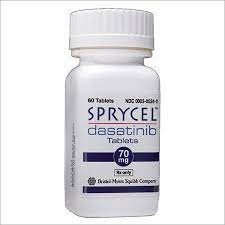
Second generationTKIs are suitable for patients with CML-CP or advanced CML who are resistant/intolerant to previous treatments (including imatinib). Following initial approval of dasatinib twice daily (BID) for the treatment of patients with all stages of chronic myelogenous leukemia who are resistant/intolerant to imatinib. Data from the CA180-035 trial represent the largest study to date of dasatinib-treated CML-AP patients with the longest follow-up. After 5 years of treatment, the major hematological response (MaHR), PFS and OS rates of the once-daily (QD) or twice-daily (BID) dosing groups showed that the efficacy of the two regimens was equivalent. MaHR includes complete hematologic response (CHR) or no evidence of leukemia; maintenance of MaHR suggests that some CML-AP patients who respond well to second-line dasatinib therapy and have high transplant-related mortality may not need to seek stem cell transplantation.
In addition, younger patients are generally in better shape and can better tolerate drug treatment and therefore may survive longer. On the contrary, elderly patients may have other comorbidities and their bodies may be less tolerant to drugs, thus affecting treatment efficacy and survival. Patients in good health generally achieve complete remission earlier and show better survival with long-term management when treated with dasatinib. Patients with underlying medical conditions or other health problems may face higher risks and side effects from treatment, which may affect their survival.
In addition to the above factors, patient response to dasatinib is also critical. There are significant differences in how different patients respond to the same drug. Some patients may achieve complete remission within a short period of time, while others may need to adjust their treatment regimen. Therefore, regular monitoring and evaluation are very important to optimize treatment options and extend survival.
[ 免责声明 ] 本页面内容来自公开渠道(如FDA官网、Drugs官网、原研药厂官网等),仅供持有医疗专业资质的人员用于医学药学研究参考,不构成任何治疗建议或药品推荐。所涉药品可能未在中国大陆获批上市,不适用于中国境内销售和使用。如需治疗,请咨询正规医疗机构。本站不提供药品销售或代购服务。


