
.jpeg)
What is the name of the third generation after dasatinib?
In the treatment of chronic myelogenous leukemia (CML), dasatinib is a second-generation tyrosine kinase inhibitor (TKI), and the subsequent third-generation TKI is represented by ponatinib. Second-generation TKIs such as dasatinib, Nilotinib, and Bosutinib have achieved significant clinical efficacy. However, for some patients with mutations, especially those with T315I mutations, the effects of these drugs are often limited.
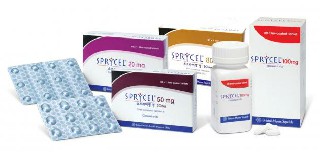
Although imatinib remains the gold standard for first-line treatment of chronic myelogenous leukemia (CML), growing recognition of resistance and intolerance to imatinib has led to the development of other tyrosine kinase inhibitors (TKIs) that have proven to be effective as salvage therapies or as alternatives to first-line treatment. While other options represent progress in the field, the availability of 3 second-generation TKIs (dasatinib, nilotinib, and bosutinib) and 1 third-generation TKI (ponatinib) has increased the complexity of the treatment paradigm for CML, especially chronic phase CML. Two second-generation drugs (dasatinib and nilotinib) are approved for first-line and subsequent treatment.
Ponatinib is a new type of TKI developed to overcome drug resistance. It can effectively target multiple types of BCR-ABL mutations, including those that are resistant to first- and second-generation TKIs, such as T315I. This property allows ponatinib to show good clinical effects in patients with refractory CML and has shown high complete molecular response rates in some studies.
However, the use of ponatinib is also associated with certain side effects, especially the risk of cardiovascular events and embolism. In clinical applications, physicians need to carefully assess patients' cardiovascular health status and monitor and manage accordingly to reduce these risks. In addition, the dosage adjustment of ponatinib has also become an important aspect in clinical practice in order to maximize the efficacy of the drug while reducing the occurrence of adverse reactions.
[ 免责声明 ] 本页面内容来自公开渠道(如FDA官网、Drugs官网、原研药厂官网等),仅供持有医疗专业资质的人员用于医学药学研究参考,不构成任何治疗建议或药品推荐。所涉药品可能未在中国大陆获批上市,不适用于中国境内销售和使用。如需治疗,请咨询正规医疗机构。本站不提供药品销售或代购服务。


