
.jpeg)
How to evaluate the therapeutic effect of ponatinib
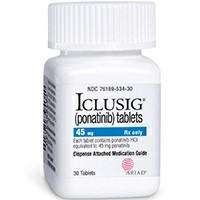
Ponatinib, also known as ponatinib, is an innovative anti-cancer drug that has shown significant efficacy in the treatment of chronic myelogenous leukemia (CML) and Philadelphia chromosome-positive acute lymphoblastic leukemia (Ph+ ALL). As a third-generation tyrosine kinase inhibitor, ponatinib effectively blocks the signal transduction of tumor cells by precisely acting on specific kinases, thereby inhibiting their proliferation and spread.
Evaluating the therapeutic effect of ponatinib is a comprehensive and multi-faceted consideration process. First of all, doctors will pay attention to whether the patient's clinical symptoms have improved, such as fatigue reduction, anemia improvement, etc. These are important indicators that directly reflect the efficacy of the drug. Second, laboratory tests play a key role in assessing treatment effectiveness. Doctors will regularly test the patient's blood indicators, including white blood cell count, platelet count, etc., to see if they are becoming normal. In particular, quantitative monitoring of BCR-ABL gene mutations can accurately reflect the status of residual lesions and is an important basis for evaluating the efficacy of ponatinib.
In addition, imaging examinations such asCT or MRI can help doctors observe whether the size and number of tumors have been reduced, thereby determining the efficacy of the drug. These examination results, combined with the patient's clinical response, can provide doctors with comprehensive treatment feedback.
It is worth noting that the therapeutic effect of ponatinib is not static. Each patient's physical condition, type and stage of disease, and response to medications are different. Therefore, during the treatment process, doctors will closely monitor the patient's response and adjust the treatment plan according to the actual situation.
In general, as a highly effective anti-cancer drug, the evaluation of the therapeutic effect of ponatinib is a process that combines multiple factors such as clinical symptoms, laboratory tests, and imaging tests. Through scientific and comprehensive evaluation, doctors and patients can more accurately understand the efficacy of drugs and formulate more reasonable treatment plans.
[ 免责声明 ] 本页面内容来自公开渠道(如FDA官网、Drugs官网、原研药厂官网等),仅供持有医疗专业资质的人员用于医学药学研究参考,不构成任何治疗建议或药品推荐。所涉药品可能未在中国大陆获批上市,不适用于中国境内销售和使用。如需治疗,请咨询正规医疗机构。本站不提供药品销售或代购服务。


