
.jpeg)
Ponatinib (ponatinib) has both efficacy and risks in treating leukemia
Ponatinib, also known as ponatinib, is a drug that has emerged in the field of treating leukemia in recent years. It mainly targets refractory blood tumors such as chronic myelogenous leukemia (CML) and Philadelphia chromosome-positive acute lymphoblastic leukemia (Ph+ ALL). As a tyrosine kinase inhibitor, ponatinib can accurately block key signaling pathways in cancer cells, especially inhibit the activity of Bcr-Abl fusion protein, thereby effectively curbing the growth and spread of tumors.
In clinical practice, the therapeutic effect of ponatinib has attracted much attention. Especially for patients who have developed resistance to other drugs, the emergence of ponatinib undoubtedly brings them new hope. Its unique drug mechanism allows it to deal with some difficult drug-resistant mutations, such as theT315I mutation, significantly improving the effectiveness of treatment.
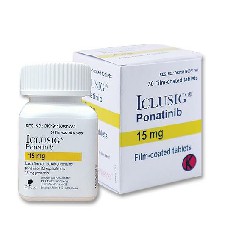
However, like many powerful drugs, use of ponatinib is not without risks. Patients may experience a range of side effects while receiving ponatinib. Common ones include cardiovascular problems such as high blood pressure, skin reactions such as rashes, and digestive complaints such as diarrhea. In addition, hematological side effects, such as thrombocytopenia and anemia, also require special vigilance. What’s more serious is that ponatinib may also cause cardiovascular complications and liver toxicity.
Therefore, when using ponatinib, doctors will develop a personalized treatment plan based on the patient's specific condition and physical condition, and closely monitor the patient's response during treatment. At the same time, patients themselves also need to maintain a high degree of alertness and report any abnormal symptoms in a timely manner so that doctors can quickly make adjustments to ensure the safety and effectiveness of treatment.
In summary, as a highly effective leukemia treatment drug, ponatinib has significant efficacy, but the side effects associated with its use cannot be ignored. Patients and physicians need to work together through careful treatment management and close monitoring to maximize the therapeutic effects of ponatinib while minimizing its potential risks.
[ 免责声明 ] 本页面内容来自公开渠道(如FDA官网、Drugs官网、原研药厂官网等),仅供持有医疗专业资质的人员用于医学药学研究参考,不构成任何治疗建议或药品推荐。所涉药品可能未在中国大陆获批上市,不适用于中国境内销售和使用。如需治疗,请咨询正规医疗机构。本站不提供药品销售或代购服务。


