
.jpeg)
Discussion on the safety and onset of efficacy of crizotinib in patients with advanced lung cancer
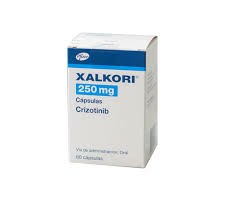
Crizotinib (Crizotinib), as a tyrosine kinase inhibitor, is mainly used to treat patients with non-small cell lung cancer (NSCLC) who carry anaplastic lymphoma kinase (ALK) fusion genes or ROS1 rearrangements. For patients with advanced lung cancer, the safety and efficacy of crizotinib are important concerns during treatment.
Crizotinib has demonstrated a relatively good safety profile in the treatment of patients with advanced lung cancer. Although it can cause a range of side effects, most are mild to moderate and well tolerated by most patients.
Visual impairment is one of the most common side effects of crizotinib, including blurred vision, double vision, and enhanced light perception. These side effects usually occur early in treatment, but most patients adapt gradually, and they may lessen or disappear as treatment progresses. For patients who develop severe visual impairment, doctors may need to adjust the dose or temporarily discontinue the drug.
Crizotinib may also cause a series of digestive system reactions, such as nausea, vomiting, diarrhea, constipation, etc. These side effects are also usually mild to moderate, and most patients are able to relieve their symptoms by adjusting their diet or using medications such as antidiarrheal medications. For patients who experience severe digestive system reactions, doctors may also need to adjust the dose or temporarily discontinue the drug.
Crizotinib may cause liver function abnormalities, such as elevated transaminases. Therefore, during the use of crizotinib, doctors need to regularly monitor the patient's liver function indicators and adjust the dose or provide hepatoprotective treatment as needed.
In addition to the above-mentioned side effects, crizotinib may also cause edema, cardiotoxicity, interstitial lung disease and other side effects. However, these side effects are relatively rare and well tolerated by most patients.
The onset of effect of crizotinib varies among individuals, but significant effects are usually observed within a few weeks of treatment. Crizotinib enters the blood circulation and reaches its target site within hours of treatment. This allows the drug to quickly inhibit the activity of the ALK and ROS1 signaling pathways, thereby blocking the process of tumor growth and spread. However, this physiological effect does not equate to clinical efficacy.
In patients with advanced lung cancer, the clinical benefits of crizotinib typically begin within weeks of treatment. Some patients may clearly feel the effects of the drug in the early stages of treatment, such as symptom relief, physical recovery, and appetite increase. However, for some other patients, the drug may take longer to show significant benefit. Therefore, doctors need to regularly evaluate changes in the patient's condition and adjust treatment plans as needed.
The onset time of crizotinib's efficacy is affected by many factors, including the patient's age, physical condition, tumor type and stage, gene mutation status, etc. In addition, patient compliance can also affect the time it takes for a drug to take effect. Therefore, doctors need to consider the individual differences of patients and develop personalized treatment plans.
The long-term efficacy of crizotinib is also a focus of doctors' attention. Clinical studies have shown that crizotinib can significantly prolong ALK-positive or ROS1-positive late NSCLCProgression-free survival (PFS) and overall survival (OS) of patients. However, some patients may develop resistance to crizotinib over time. Therefore, doctors need to regularly monitor changes in the patient's condition and adjust treatment plans or replace other targeted drugs as necessary.
[ 免责声明 ] 本页面内容来自公开渠道(如FDA官网、Drugs官网、原研药厂官网等),仅供持有医疗专业资质的人员用于医学药学研究参考,不构成任何治疗建议或药品推荐。所涉药品可能未在中国大陆获批上市,不适用于中国境内销售和使用。如需治疗,请咨询正规医疗机构。本站不提供药品销售或代购服务。


