
.jpeg)
Potential risks and toxicities of aceminib in the treatment of chronic myelogenous leukemia
Aximini, this innovative BCR-ABL1 tyrosine kinase inhibitor, is gradually becoming the new favorite in the treatment of chronic myelogenous leukemia (CML). Although it has shown remarkable results in controlling the disease, like other drugs, the use of aceminib is also accompanied by a series of potential toxic reactions. A thorough understanding of these risks is key for patients to ensure the safety and effectiveness of treatment.
During treatment with Asiminib, patients may experience a variety of toxic effects. The primary one is gastrointestinal discomfort, such as nausea, vomiting, diarrhea and abdominal pain. Although these symptoms are mostly mild to moderate, they may still cause trouble to the patient's daily life. These discomforts can be effectively alleviated through reasonable symptomatic treatment and taking with food.
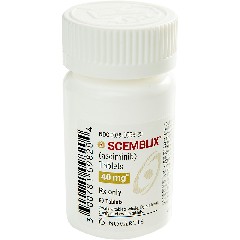
In addition, aximini may also have adverse effects on the blood system, causing anemia, white blood cells, and thrombocytopenia, thereby increasing the risk of infection and bleeding. Therefore, regular blood tests to monitor changes in these key indicators are crucial for timely adjustment of treatment options.
Hypertension is also a side effect that needs to be alerted to during treatment with Asiminib. Patients should closely monitor changes in blood pressure and take drug treatment if necessary to prevent the occurrence of cardiovascular complications.
At the same time, acemini may also affect liver function, causing liver enzymes to increase. Therefore, regular liver function tests are an important part of ensuring the safety of treatment.
In addition to the above-mentioned toxicities, some patients may also experience skin reactions such as rash. Although most of these reactions are mild, they still require the attention of doctors so that timely intervention can be taken.
For the toxicity management of Asiminib, regular monitoring and doctor-patient communication are the core. Patients should actively report any discomfort or side effects to the doctor so that the doctor can adjust the treatment plan according to the actual situation. At the same time, doctors should also develop personalized treatment strategies based on the patient's specific conditions to minimize the occurrence of toxic reactions.
In summary, although the toxicity of aceminib is relatively controllable, patients still need to remain alert during treatment, undergo regular examinations, and work closely with their doctors to ensure the safety and effectiveness of treatment.
[ 免责声明 ] 本页面内容来自公开渠道(如FDA官网、Drugs官网、原研药厂官网等),仅供持有医疗专业资质的人员用于医学药学研究参考,不构成任何治疗建议或药品推荐。所涉药品可能未在中国大陆获批上市,不适用于中国境内销售和使用。如需治疗,请咨询正规医疗机构。本站不提供药品销售或代购服务。


