
.jpeg)
Analysis and response strategies for drug resistance in CML treated with aceminib
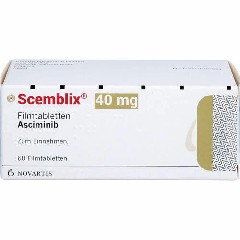
Asciminib (), this innovative tyrosine kinase inhibitor, is gradually becoming an important choice in the treatment of chronic myelogenous leukemia (CML). Although it has shown remarkable efficacy in clinical treatment, the problem of drug resistance is still a part of the patient's treatment process that cannot be ignored. An in-depth understanding of the resistance mechanisms and coping strategies of aceminib is of great significance for optimizing treatment effects and improving patients' quality of life.
1.Aximinib resistance: when might it appear?
The problem of resistance to aceminib is not static. The time when it occurs varies among individual patients and is affected by many factors:
Duration of treatment: The time to emergence of drug resistance has large individual differences. Some patients may develop resistance after several months of treatment, while others may develop resistance gradually after several years of treatment. Long-term follow-up studies have shown that although resistance to aceminib is relatively rare, regular monitoring is needed to ensure treatment effectiveness.
Gene mutations: CML’s drug resistance is often closely related to mutations in the BCR-ABL1 gene. During treatment with aximinib, certain mutations (such as the T315I mutation) may cause the drug to fail. These mutations may arise spontaneously during treatment, especially in patients who have developed resistance to other tyrosine kinase inhibitors, and they may also be at risk of resistance using aximinib.
Individual differences: There are significant differences in patients' biological characteristics, pathological status, and response to drugs. These factors jointly affect the incidence and time of drug resistance.
2.Coping strategies after drug resistance: How to respond effectively?
Faced with the resistance to aceminib, patients and doctors need to jointly develop scientific response strategies to ensure treatment effects and patients’ quality of life:
Monitoring and assessment: Regular molecular testing is key to assessing drug resistance. Passed the testBCR-ABL1The level and whether there are drug-resistant mutations can detect drug-resistant problems in time and provide guidance for subsequent treatment.
Adjust treatment plan: For drug-resistant patients, doctors may adjust the treatment plan according to specific circumstances. For example, patients with the T315I mutation may need to switch to other types of tyrosine kinase inhibitors (such as second- or third-generation TKIs) or consider other treatments, such as stem cell transplantation.
Combination treatment strategies: In some cases, combining aceminib with other drugs may help enhance the effectiveness of treatment and reduce the risk of drug resistance. The doctor will develop a combined treatment plan based on the patient's specific situation.
Participate in clinical trials: Patients with drug resistance may consider participating in clinical trials to explore new treatment options. These trials may involve new targeted therapies or immunotherapies, providing patients with cutting-edge treatment opportunities.
Supportive treatment and psychological care: During the treatment process, patients may experience certain side effects and psychological stress. Therefore, providing symptomatic treatment and psychological support is crucial. Doctors should pay attention to patients' physical and mental health, help patients relieve discomfort, and improve their quality of life.
Patient education and autonomous management: Strengthen patient education, improve patients’ understanding of the disease and treatment, and help patients better participate in treatment decision-making and autonomous management. Patients should proactively communicate with their medical team to understand drug resistance and management strategies to reduce anxiety and uneasiness.
In summary, the issue of resistance to aceminib is a complex and important issue. Through in-depth understanding of the mechanisms of drug resistance, regular monitoring, scientific adjustment of treatment plans, and provision of comprehensive supportive treatment and psychological care, we can effectively deal with the problem of drug resistance and ensure that patients receive the best treatment effect and quality of life. Close collaboration and joint efforts between patients and physicians are crucial when facing the challenge of drug resistance.
[ 免责声明 ] 本页面内容来自公开渠道(如FDA官网、Drugs官网、原研药厂官网等),仅供持有医疗专业资质的人员用于医学药学研究参考,不构成任何治疗建议或药品推荐。所涉药品可能未在中国大陆获批上市,不适用于中国境内销售和使用。如需治疗,请咨询正规医疗机构。本站不提供药品销售或代购服务。


