
.jpeg)
Detailed instructions for use by patients with ritexitinib
1. Drug Overview
Ritlecitinib is a highly selective oral Janus kinase (JAK) inhibitor that targets the JAK3 and TEC family kinases. The drug is used to treat Alopecia Areata, an autoimmune disease characterized by the immune system attacking hair follicles. By inhibiting the JAK-STAT signaling pathway, ritexitinib can reduce the attack of immune cells such as T cells on hair follicles and promote hair regeneration.
2. Indications
Rituxitinib is indicated for the treatment of patients with moderate to severe alopecia areata. Alopecia areata is an immune-related disease that causes hair loss on the scalp or other areas, often accompanied by localized or systemic hair loss. Ritexitinib is suitable for patients whose disease cannot be effectively controlled by other treatments.
3. Pharmacological mechanism of action
Ritexitinib blocks the JAK-STAT signaling pathway by inhibiting JAK3 and TEC family kinases, thereby reducing the activity of T cells and other immune cells. The JAK-STAT pathway plays an important role in the signaling of immune cells, especially in the process of cytokine signaling. By inhibiting this pathway, ritexitinib can regulate overactive immune responses, reduce immune attacks on hair follicles, help restore hair follicle function and promote hair regeneration.
4. Usage and dosage
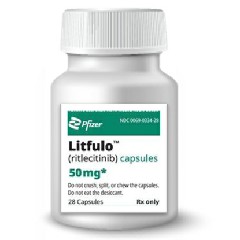
Recommended dose: The recommended starting dose of ritixitinib is usually 1 times a day, 50mg each time, which needs to be taken under the guidance of a doctor. Disease progression and drug tolerance should be regularly monitored during treatment, and the dose should be adjusted according to the patient's treatment response and side effects.
How to take: Ritexitinib is an oral preparation that can be taken with food or on an empty stomach. It is recommended to take it at the same time every day to ensure the stability of the drug concentration.
Course of treatment: The length of the course of treatment varies depending on individual differences. Usually, significant effects can be seen after 12 to 24 weeks of use. The duration of treatment should be determined by the doctor based on the condition and efficacy.
5. Notes
Liver function monitoring: Ritexitinib may have an impact on liver function. It is recommended to conduct baseline liver function tests before starting treatment and to review liver function regularly during treatment.
Infection risk: Because ritexitinib works by suppressing the immune system, patients may face an increased risk of infection during treatment, such as upper respiratory tract infections, pneumonia, etc. If symptoms of infection occur, such as fever, cough or difficulty breathing, you should seek medical treatment promptly.
Routine blood monitoring: Routine blood monitoring, including white blood cell, red blood cell and platelet counts, should be regularly monitored during treatment to ensure that the patient does not develop symptoms of immunosuppression or anemia due to the effects of the drug.
Pregnancy and Breastfeeding: The safety of ritexitinib during pregnancy has not been established. Pregnant women or women planning to become pregnant should inform their doctor before use and avoid use during pregnancy. At the same time, it is not clear whether the drug will be excreted through breast milk. Breastfeeding women should be particularly cautious when using this drug.
6. Contraindications
It is contraindicated in patients with a history of hypersensitivity to ritexitinib or any of its components.
Contraindicated in patients with severe active infections (such as active tuberculosis, uncontrolled bacterial or viral infections).
Pregnant and nursing women should avoid use unless a doctor determines that the benefit to the mother outweighs the potential risk to the fetus or infant.
7. Adverse reactions
Common adverse reactions of ritixitinib include:
Infection related: such as upper respiratory tract infection, rhinitis, sore throat, etc.
Gastrointestinal symptoms: such as nausea, diarrhea, stomach discomfort, etc.
Nervous system symptoms: such as headache, dizziness, etc.
Skin reactions: such as rash, itching, etc.
Most adverse reactions are mild to moderate and usually decrease gradually during treatment. However, if serious adverse reactions occur, such as persistent high fever, severe abdominal pain, difficulty breathing, etc., the drug should be stopped immediately and seek medical treatment.
8. Drug interactions
With other immunosuppressive drugs: When used concurrently with other immunosuppressive drugs (e.g., biologics, immunomodulators), the potential for drug interactions and increased risk of infection should be carefully evaluated.
CYP3A4Inhibitors and inducers: Ritexitinib is mainly metabolized by the CYP3A4 enzyme. When used in combination with CYP3A4 strong inhibitors (such as ketoconazole) or inducers (such as rifampicin), it may affect the drug's plasma concentration, and the dose should be adjusted carefully.
9. Drug use for special groups
Elderly patients: Elderly patients should closely monitor liver function and blood routine when using ritexitinib, as they may be more susceptible to adverse drug reactions.
Children and Adolescents: The safety and effectiveness of ritixitinib in patients 18 years of age have not been fully studied and its use in children and adolescents is not recommended.
10. Drug storage
Ritexitinib should be stored in a cool, dry place below 25℃, away from direct sunlight and humid environment.
Please store the medicine out of the reach of children to avoid accidental ingestion.
11. Drug price information
Ritexitinib is already on the market in China, but it has not yet been included in the national medical insurance directory, so patients need to bear the cost themselves. In China, the price of ritexitinib is about more than 3,000 yuan per box, and the specific price varies by region and hospital. Patients are advised to consult their local hospital pharmacy to obtain accurate price information before purchasing medicines.
Ritlecitinib is a highly efficient and selective JAK inhibitor that provides a new treatment for patients with alopecia areata. By targeting the abnormal response of the immune system, ritexitinib can effectively control the disease and promote hair regrowth. Although it may face certain side effects and cost pressure during use, its advantages in improving patients' quality of life make it a promising therapeutic drug. Patients should understand the properties of the drug in detail before use and conduct scientific and reasonable treatment under the guidance of a doctor.
[ 免责声明 ] 本页面内容来自公开渠道(如FDA官网、Drugs官网、原研药厂官网等),仅供持有医疗专业资质的人员用于医学药学研究参考,不构成任何治疗建议或药品推荐。所涉药品可能未在中国大陆获批上市,不适用于中国境内销售和使用。如需治疗,请咨询正规医疗机构。本站不提供药品销售或代购服务。


