
.jpeg)
What is the function of ritexitinib?
1. Drug Overview
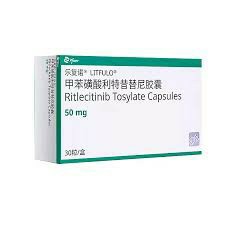
Ritlecitinib is a highly selective oral Janus kinase (JAK) inhibitor that targets the JAK3 and TEC family kinases. It is an innovative immunomodulatory drug used to treat alopecia areata (Alopecia Areata), a common autoimmune disease. Alopecia areata is characterized by the immune system mistakenly attacking hair follicles, causing hair loss on the scalp and other parts of the body.
2. Mechanism of action
Ritexitinib blocks the JAK-STAT signaling pathway by inhibiting the activity of JAK3 and TEC family kinases. The JAK-STAT pathway plays a crucial role in the immune system, especially cytokine signaling and activation of immune cells. By inhibiting this pathway, ritexitinib can reduce the excessive activity of immune cells such as T cells and reduce their attack on hair follicles.
Alopecia areata occurs because the immune system is overactive and attacks melanocytes in hair follicles, leading to damage to hair follicle function. By regulating the immune response, ritexitinib weakens the attack of immune cells on hair follicles and protects the health of hair follicle cells, thereby promoting the recovery of hair follicle function and helping hair regeneration and growth.
3. Efficacy in treating alopecia areata
Rituxitinib has shown significant efficacy in the treatment of patients with moderate to severe alopecia areata, especially those who have failed to respond to traditional treatments. The following is the specific efficacy of ritexitinib in the treatment of alopecia areata:
Promote hair regeneration: By reducing the immune system's attack on hair follicles, ritexitinib can help hair follicles return to normal function and promote hair regrowth on the scalp and other parts of the body. Clinical studies have shown that after 24 weeks of treatment, many patients' hair coverage increased significantly, and some patients even achieved a high hair recovery rate after continuing to take the medication.
Improving the symptoms of alopecia areata: Ritexitinib can significantly reduce the area of hair loss in patients with alopecia areata, shrinking the exposed areas of the scalp and other parts of the body in patients with alopecia areata. The patient's overall hair density increases, thereby improving appearance and positively impacting the patient's self-esteem and quality of life.
Slow down the progression of the disease: By suppressing the overactivity of the immune system, ritexitinib can effectively control the progression of alopecia areata, slow down the progression of the disease, and avoid more hair follicle damage. Long-term treatment helps maintain stable results and prevent recurrences.
4. Clinical research results
Several clinical trials of ritixitinib have shown its potential in the treatment of alopecia areata. Here are some key findings:
In a study of patients with moderate to severe alopecia areata, patients treated with ritixitinib experienced significantly better scalp hair regrowth than those treated with placebo after 24 weeks of treatment. With continued treatment, the hair coverage of some patients has reached the treatment target, showing sustained efficacy.
The patient tolerated ritexitinib well during treatment. Common adverse reactions include mild to moderate upper respiratory tract infection, headache, gastrointestinal discomfort, etc. Most symptoms can be controlled by adjusting the medication time or dosage.
5. Advantages of ritexitinib
The advantages of ritexitinib in the treatment of alopecia areata are reflected in the following aspects:
High selectivity: Ritexitinib has the characteristics of highly selectively targeting JAK3. Compared with non-selective JAK inhibitors, it can effectively suppress the immune response while reducing the impact on other JAK family members, thus reducing the risk of related side effects.
Oral administration and convenient use: As an oral drug, ritexitinib is convenient for patients to use, reducing the inconvenience caused by injections or other delivery methods. Patients can take their own medications at home, improving treatment compliance.
Strongly targeted and effective: Ritexitinib is particularly suitable for patients with moderate to severe alopecia areata who are ineffective in other treatments. Its highly targeted mechanism of action makes it highly effective in the treatment of alopecia areata.
6. Precautions when using ritexitinib
Although ritixitinib has shown significant efficacy in the treatment of alopecia areata, patients still need to pay attention to the following matters during use:
Take medication as directed by your doctor: The dosage and course of treatment of rituxitinib should be determined by the doctor based on the patient's specific condition. Patients should not adjust the dosage or interrupt treatment without authorization.
Regular monitoring: Since ritexitinib may affect liver function and immune system, patients should undergo regular liver function tests and routine blood monitoring during medication to ensure medication safety.
Infection risk: During use, patients may face an increased risk of infection, such as upper respiratory tract infection. If you have fever, cough or other symptoms of infection, you should seek medical treatment promptly.
Ritexitinib, as a highly selectiveJAK3 inhibitor, provides a new treatment method for patients with alopecia areata. It regulates abnormal responses of the immune system, protects hair follicle function, helps hair regeneration, and improves patients' quality of life. Although there may be certain side effects and cost burdens during use, its significant therapeutic effect makes it an important choice for patients with moderate to severe alopecia areata. With the accumulation of more clinical data, ritexitinib is expected to further optimize the treatment plan in the future and bring good news to more patients.
[ 免责声明 ] 本页面内容来自公开渠道(如FDA官网、Drugs官网、原研药厂官网等),仅供持有医疗专业资质的人员用于医学药学研究参考,不构成任何治疗建议或药品推荐。所涉药品可能未在中国大陆获批上市,不适用于中国境内销售和使用。如需治疗,请咨询正规医疗机构。本站不提供药品销售或代购服务。


