
.jpeg)
What are the possible drug reactions when using crizotinib targeted drugs?
Patients may experience a variety of drug reactions when using the targeted drug crizotinib.
Patients may experience skin adverse reactions such as rash, skin itching, or abnormal skin sensation. These reactions are usually mild but may affect the patient's quality of life. Crizotinib may cause gastrointestinal symptoms such as nausea, vomiting, diarrhea, and constipation. These reactions are more common in the early stages of medication, but generally will gradually lessen as the medication time is extended. Some patients may experience visual impairments such as blurred vision, floaters, and visual impairment. These reactions require close attention and an eye exam should be performed if necessary. The use of crizotinib may cause liver function abnormalities such as elevated transaminase and alkaline phosphatase. Therefore, patients need to monitor liver function regularly during use.
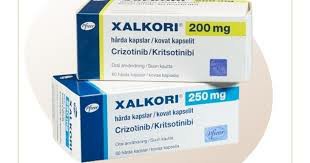
A small number of patients may experience cardiotoxic reactions such as prolongation of the QT interval or bradycardia. These reactions can be life-threatening, so the patient's electrocardiogram and electrolyte levels need to be monitored closely. Crizotinib may cause severe interstitial lung disease, a rare but potentially fatal side effect. If patients experience symptoms such as difficulty breathing, coughing, or chest pain during use, they should seek medical attention immediately. Individual patients may have allergic reactions to crizotinib, manifesting as rash, itching with fever, skin redness, swelling, blistering or peeling. Severe allergic reactions require immediate medical attention.
Crizotinib may interact with certain drugs, such asCYP3A Strong or moderate inhibitors may increase its plasma concentration and increase the risk of adverse reactions. Therefore, patients taking crizotinib should inform their doctors about other medications they are taking.
Patients need to regularly monitor relevant indicators while using crizotinib, and adjust the dose according to their condition and adverse reactions. If necessary, your doctor may recommend stopping the medication or switching to another treatment regimen.
[ 免责声明 ] 本页面内容来自公开渠道(如FDA官网、Drugs官网、原研药厂官网等),仅供持有医疗专业资质的人员用于医学药学研究参考,不构成任何治疗建议或药品推荐。所涉药品可能未在中国大陆获批上市,不适用于中国境内销售和使用。如需治疗,请咨询正规医疗机构。本站不提供药品销售或代购服务。


