
.jpeg)
The therapeutic effect of crizotinib on significant tumor shrinkage in patients with advanced lung cancer
Crizotinib (Crizotinib), as a targeted therapy, has demonstrated significant clinical effects in the treatment of advanced lung cancer, especially when targeting patients with non-small cell lung cancer (NSCLC) with specific genetic mutations.
Crizotinib is a tyrosine kinase inhibitor mainly used to treat advanced non-small cell lung cancer with ALK (anaplastic lymphoma kinase) fusion mutations or ROS1 rearrangements. It achieves the purpose of treatment by inhibiting the activity of ALK or ROS1 enzymes and blocking the growth and proliferation signaling pathways of tumor cells.
Multiple clinical research data support the significant efficacy of crizotinib in the treatment of advanced lung cancer. In a study of patients with advanced NSCLC with ROS1 rearrangements and MET dysregulation, crizotinib showed significant antitumor activity. In the patient cohort with ROS1 rearrangement, the objective effective rate was 65% and the median progression-free survival reached 22.8 months.
In another phase II study, crizotinib also showed significant anti-tumor activity in patients with ROS1-positive advanced non-small cell lung cancer, with objective responses. The response rate (ORR) was as high as 71.7%, and the median progression-free survival was 15.9 months.
For ALK fusion mutation-positive advanced NSCLC patients, crizotinib is also the first-line standard treatment option. Clinical data show that crizotinib can significantly extend patients' progression-free survival and improve their quality of life.
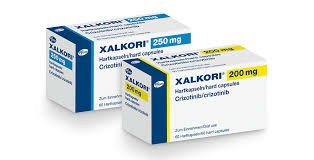
Multiple clinical cases have also confirmed the significant efficacy of crizotinib in the treatment of advanced lung cancer. A 72 patient was diagnosed with locally advanced lung adenocarcinoma. Biopsy of the primary lesion showed the presence of ROS1 gene rearrangement. After receiving first-line treatment with crizotinib, the patient's tumor burden began to decrease significantly after only 2 months of treatment. Even after the dose was reduced due to adverse effects, the patient still achieved very stable remission that lasted for 24 months.
Another patient60 years old was diagnosed with lung adenocarcinoma in the right lower lobe and had brain metastasis. Next-generation sequencing suggested a CD74-ROS1 fusion mutation. Although the patient had brain metastases, the lesions and intracranial lesions continued to shrink after treatment with crizotinib.
4. Tolerability and safety of crizotinib
Although crizotinib may cause adverse effects in some patients, overall it was well tolerated and its safety profile was consistent with previous reports. Common adverse reactions include gastrointestinal symptoms (such as nausea, vomiting, diarrhea, etc.), visual disturbances (such as blurred vision, diplopia, etc.), and abnormal liver function. However, most adverse reactions are grade 1-2, are relatively mild, and can be alleviated through symptomatic treatment or dose adjustment.
It is worth noting that crizotinib can also be used in combination with other treatment options to further improve efficacy. For example, in neoadjuvant treatment for advanced lung cancer, crizotinib can be used in combination with surgery, radiotherapy, etc. to induce tumor downstaging and improve the surgical resection rate. In addition, for patients who are resistant to crizotinib, the sequential use of other ALK inhibitors or ROS1 inhibitors can also be considered to extend survival.
[ 免责声明 ] 本页面内容来自公开渠道(如FDA官网、Drugs官网、原研药厂官网等),仅供持有医疗专业资质的人员用于医学药学研究参考,不构成任何治疗建议或药品推荐。所涉药品可能未在中国大陆获批上市,不适用于中国境内销售和使用。如需治疗,请咨询正规医疗机构。本站不提供药品销售或代购服务。


