
.jpeg)
Dosage and usage of venetoclax for patients
The dosage and administration of Venetoclax vary based on the patient's specific condition, treatment goals, and whether it is used in combination with other medications. Venetoclax, a drug that targets the BCL-2 protein, is commonly used to treat chronic lymphocytic leukemia (CLL), small lymphocytic lymphoma (SLL) and acute myeloid leukemia (AML). The dosage regimen must be determined by a professional physician based on the patient's individual circumstances. The following are common dosage and usage guidelines.
Preparation before taking medication
Before taking venetoclax, patients generally need a thorough health evaluation, specifically to assess whether they are at high risk for tumor lysis syndrome (TLS). This is because venetoclax can rapidly induce cancer cell death and release large amounts of cellular contents, which may lead to severe fluctuations in electrolytes and metabolites in the blood, leading to serious complications such as kidney failure. Therefore, in order to avoid tumor lysis syndrome, doctors will conduct a risk assessment before treatment and give preventive drugs such as oral hydration therapy or intravenous rehydration and anti-hyperuric acid drugs (such as allopurinol) at the beginning of treatment.
Dosage and usage for chronic lymphocytic leukemia (CLL) and small lymphocytic lymphoma (SLL)
For patients with CLL and SLL, the use of venetoclax usually begins with a step-up dose regimen to reduce the risk of TLS. At the beginning of treatment, patients need to strictly follow the doctor’s dosage adjustment plan:
Week1: Daily20mg
Week2: Daily50mg
Week3: Daily100mg
Week4: Daily200mg
The 5th week and later : 400mg daily
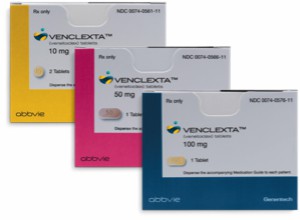
After completion of the ramp-up phase, patients received 400 mg of venetoclax once daily orally as a maintenance dose. When taking the medicine, take it with food and swallow the tablet whole with water. Avoid chewing or breaking the tablet.
For patients with relapsed or refractory CL or SLL, venetoclax is often given in combination with other drugs, such as obinutuzumab or rituximab. In this case, the length of the combination therapy course and the timing of venetoclax need to be determined based on the patient's specific condition and response to treatment. Typically, a course of combination therapy may last several months or even a year, with the dose of venetoclax remaining at 400 mg daily.
Acute myeloid leukemia (AML) dosage and usage
For patients with acute myeloid leukemia (AML) who cannot tolerate high-intensity chemotherapy, venetoclax is usually combined with a low-dose chemotherapy drug such as azacitidine (Azacitidine), decitabine (Decitabine) or low-dose cytarabine (Cytarabine) in combination.
In AMLtreatment, the dosage and combination regimen of venetoclax vary and are usually:
The initial dose is 100 mg daily in combination with azacitidine or decitabine, or 600 mg daily in combination with low-dose cytarabine.
AMLpatients usually do not need CLL or SLLEscalating dose adjustments are performed in patients with SLL because the risk of tumor lysis syndrome is low. The treatment cycle of venetoclax is usually one round every 28 days, and patients take venetoclax continuously during each round of treatment.
Side Effect Management
Common side effects of venetoclax include neutropenia, anemia, thrombocytopenia, gastrointestinal discomfort (such as nausea, vomiting, diarrhea), etc. Some patients may experience fatigue or an increased risk of infection during treatment. During treatment, your doctor will closely monitor these side effects and provide supportive care or adjust your dose as needed.
In general, as a targeted drug, venetoclax has strict dosage adjustment and side effect management requirements during the medication process, but its precise mechanism of action makes it an effective choice for many patients to treat hematological malignancies.
[ 免责声明 ] 本页面内容来自公开渠道(如FDA官网、Drugs官网、原研药厂官网等),仅供持有医疗专业资质的人员用于医学药学研究参考,不构成任何治疗建议或药品推荐。所涉药品可能未在中国大陆获批上市,不适用于中国境内销售和使用。如需治疗,请咨询正规医疗机构。本站不提供药品销售或代购服务。


