
.jpeg)
Medication precautions for patients with venetoclax
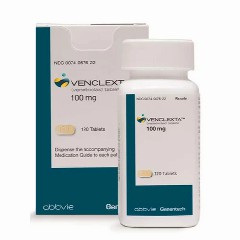
Venetoclax (Venetoclax) is a targeted therapy drug mainly used to treat chronic lymphocytic leukemia (CLL), small lymphocytic lymphoma (SLL) and acute myeloid leukemia (AML). Although its efficacy is remarkable, patients need to pay attention to many aspects when using venetoclax to ensure safety and therapeutic effect. The following are the main considerations for patients taking venetoclax.
1. Monitor blood indicators
Venetoclax can affect the blood system, especially the number of white blood cells, red blood cells, and platelets. Therefore, during the medication period, patients need to undergo regular blood tests to monitor blood indicators. Your doctor will adjust the dose of venetoclax or decide whether to suspend the medication based on blood monitoring results. Monitoring is particularly important during the early stages of treatment to prevent severe neutropenia or thrombocytopenia, which may lead to infection and bleeding risks.
2. Tumor lysis syndrome (TLS)
Tumor lysis syndrome is a possible serious side effect of venetoclax use, especially in patients with high tumor burden. The risks of TLS can be reduced by:
Before starting treatment, ensure adequate hydration and monitor electrolyte levels.
Use a step-up dose regimen, usually starting with a low dose during the first week of treatment.
Monitor the patient's urine and serum electrolytes, especially uric acid, potassium, phosphorus, and calcium levels, and intervene to adjust electrolytes if necessary.
3. Drug interactions
Venetoclax may interact with other medications, affecting their efficacy or increasing the risk of adverse reactions. Before taking this medication, patients should tell their doctor about all the medications they are taking, including prescription drugs, over-the-counter drugs, and supplements. In addition, certain drugs (such as certain antibiotics, antifungals, and antiviral drugs) may increase the blood concentration of venetoclax, so dosage adjustments need to be made under the guidance of a physician.
4. Liver function monitoring
Venetoclax is metabolized in the liver, and some patients may experience abnormal liver function. During medication, patients need to undergo regular liver function tests, especially those with existing liver disease or liver dysfunction. If significant elevations in liver enzymes are detected, your doctor may adjust the dose of venetoclax or withhold the medication until liver function returns to normal.
5. Infection Prevention
Because venetoclax may cause immune system suppression and increase the risk of infection, patients need to take precautions during treatment:
Avoid contact with sources of infection, such as people who are sick.
During flu season, get a flu shot (ask your doctor about the appropriate type of vaccine).
Pay attention to personal hygiene, wash hands frequently, and avoid contact with raw and undercooked food.
As soon as fever, cough, painful urination or other symptoms of infection occur, seek medical attention promptly.
6. Side Effect Management
The side effects of venetoclax may affect the patient's quality of life, so patients need to be aware of possible side effects and report them to their doctor promptly. Common side effects include nausea, fatigue, diarrhea and headache. Your doctor may recommend medications, diet, or lifestyle changes to help relieve these symptoms.
7. Dietary Precautions
Certain foods and drinks may affect the absorption and metabolism of venetoclax. For example, grapefruit and its products can interfere with the metabolism of venetoclax and should be avoided during treatment. Additionally, patients should maintain a balanced diet to help the body better cope with the discomfort and side effects of treatment.
8. Psychological support and social activities
Cancer treatment has a significant impact on patients’ mental health. Treatment with venetoclax may be associated with discomfort and anxiety, and patients may consider joining a support group or consulting a mental health professional. In addition, trying to stay in touch with family and friends and participating in appropriate social activities can help relieve anxiety and loneliness.
9. Follow medical advice
The medication regimen and dosage of venetoclax need to be adjusted according to the doctor's guidance. Patients must follow the doctor's instructions and take the medicine on time. Any dosage adjustment or discontinuation of medication should be made under the guidance of a physician, and avoid changing the medication regimen on your own.
Patients need to have regular follow-up visits during treatment with venetoclax so that doctors can evaluate the treatment effects and side effects. During the follow-up visit, all symptoms, signs, and discomforts should be reported back to the doctor to help formulate the best treatment plan.
[ 免责声明 ] 本页面内容来自公开渠道(如FDA官网、Drugs官网、原研药厂官网等),仅供持有医疗专业资质的人员用于医学药学研究参考,不构成任何治疗建议或药品推荐。所涉药品可能未在中国大陆获批上市,不适用于中国境内销售和使用。如需治疗,请咨询正规医疗机构。本站不提供药品销售或代购服务。


