
.jpeg)
Detailed explanation of the efficacy and role of bedaquiline
Bedaquiline (Bedaquiline) is a bactericidal and antimycobacterial drug that belongs to the diarylquinolines. A central heterocyclic core of quinoline containing alcohol and amine side chains is responsible for bedaquiline-mediated antimycobacterial activity. Although bedaquiline is closely related to fluoroquinolones, it does not affect DNA gyrase; instead, bedaquiline inhibits the c subunit of ATP synthase, which is responsible for the synthesis of ATP. Therefore, bedaquiline may be used to treat mycobacterial infections, particularly tuberculosis.
Bedaquiline mainly undergoes oxidative metabolism, leading to the formation ofN-monodesmethyl metabolite (M2). Given the lower average exposure of M2 in humans (23% to 31%) and lower antimycobacterial activity (4- to 6-fold lower), M2 is not considered to contribute significantly to clinical efficacy. However, M2 plasma concentrations appear to be associated with QT interval prolongation.
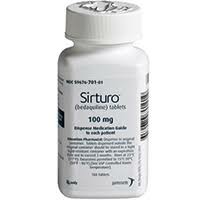
Bedaquiline inhibits mycobacterial tuberculosis with a minimum inhibitory concentration (MIC) of 0.002-0.06μg/ml, with an MIC50 of 0.03μg/ml. The proportion of naturally resistant bacteria is very low, estimated at more than 107/108 bacteria in a strain. Bacteria with smaller ATP stores (such as dormant, non-replicating bacilli) are more susceptible to bedaquiline infection. In addition, bedaquiline is also effective against nontuberculous mycobacteria, with an MIC ranging from 0.06 to 0.5 μg/ml.
Mycobacterium tuberculosis may become resistant to bedaquiline. Modification of the atpE target gene and/or upregulation of the MmpS5-MmpL5 efflux pump (Rv0678 mutation) is associated with increased bedaquiline MIC values u200bu200bin M. tuberculosis isolates. Target-based mutations generated in preclinical studies resulted in an 8- to 133-fold increase in bedaquiline MIC, resulting in an MIC range of 0.25 to 4 micrograms per milliliter. Efflux-based mutations have been found in both preclinical and clinical isolates. These result in a 2- to 8-fold increase in bedaquiline MIC, resulting in a bedaquiline MIC between 0.25 and 0.5 μg/ml.
[ 免责声明 ] 本页面内容来自公开渠道(如FDA官网、Drugs官网、原研药厂官网等),仅供持有医疗专业资质的人员用于医学药学研究参考,不构成任何治疗建议或药品推荐。所涉药品可能未在中国大陆获批上市,不适用于中国境内销售和使用。如需治疗,请咨询正规医疗机构。本站不提供药品销售或代购服务。


