
.jpeg)
Can drug-resistant tuberculosis be treated without bedaquiline?
Treatment of drug-resistant tuberculosis (MDR-TB) is a complex process. As a new anti-tuberculosis drug, Bedaquiline's unique mechanism of action makes it play an important role in the treatment of drug-resistant tuberculosis. However, there are situations where your doctor may consider treatment without bedaquiline.
Treatment plans for patients with drug-resistant pulmonary tuberculosis are usually individualized, taking into account factors such as the patient's condition, drug resistance spectrum, comorbidities, and drug reactions. In some cases, doctors may choose alternatives if a patient has an allergic reaction or serious adverse reaction to bedaquiline. In addition, the use of bedaquiline is also subject to national and regional regulatory restrictions, and medical resources and drug availability in different places may affect its use.
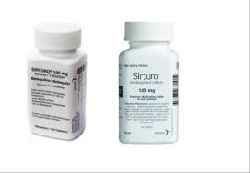
In the absence of bedaquiline, commonly used alternatives include ethambutol (Ethambutol), fluoroquinolones (such as moxifloxacin or levofloxacin), and second-line anti-tuberculosis drugs such as kanamycin and amoxicillin. Although these drugs may not be as effective as bedaquiline in the treatment of drug-resistant tuberculosis, effective treatment results can still be achieved through reasonable combination and adjustment.
At the same time, research shows that the therapeutic effect of drug-resistant tuberculosis is not only related to the drug itself, but also closely related to the overall management of the patient. This includes nutritional support, psychological support and regular follow-up monitoring. By enhancing the patient's immunity and overall health, the success rate of treatment can be improved. Therefore, in the absence of bedaquiline, a combined treatment approach can still lead to a positive prognosis for patients.
In addition, research on drug-resistant tuberculosis continues to progress, and new anti-tuberculosis drugs and treatment options continue to be developed. For example, other new drugs, such as ritonavir (Pretomanid) and delamanid, have also shown potential in refractory tuberculosis. With the use of these drugs, the treatment prospects for drug-resistant tuberculosis have improved.
[ 免责声明 ] 本页面内容来自公开渠道(如FDA官网、Drugs官网、原研药厂官网等),仅供持有医疗专业资质的人员用于医学药学研究参考,不构成任何治疗建议或药品推荐。所涉药品可能未在中国大陆获批上市,不适用于中国境内销售和使用。如需治疗,请咨询正规医疗机构。本站不提供药品销售或代购服务。


