
.jpeg)
What disease does baricitinib treat and how is it used?
Baricitinib (Baricitinib) is an oral, selective tyrosine-protein kinase (JAK) 1 and JAK2 inhibitor that has achieved remarkable results in the treatment of a variety of autoimmune diseases in recent years. As an innovative drug, baricitinib mainly reduces disease symptoms and improves patients' quality of life by inhibiting intracellular signal transduction pathways related to inflammation and immune function.
1. Diseases mainly treated by baricitinib:
Baricitinib was initially approved for the treatment of adult patients with moderately to severely active rheumatoid arthritis who have had inadequate response to or are intolerant to one or more conventional disease-modifying antirheumatic drugs (DMARDs) The drug is also approved for the treatment of COVID-19 in hospitalized adults who require supplemental oxygen, non-invasive or invasive mechanical ventilation, or extracorporeal membrane oxygenation. In addition, baricitinib is also an option for adults with severe alopecia areata.
2. How to use baricitinib:
1. Dosage and usage:
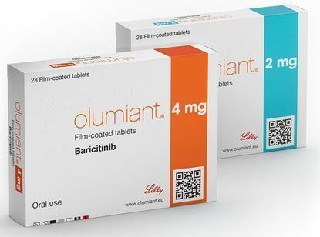
1) Rheumatoid arthritis: The recommended dose is 2 mg taken orally once a day, before or after meals.
2) Other indications: The dosage may be adjusted according to the specific condition and doctor's advice. Patients should strictly follow the doctor's instructions and should not increase or decrease the dosage on their own.
2. Medication time:
Baricitinib should be taken at a fixed time every day to ensure stable blood concentration. You can choose any time in the morning, noon or night, but once you decide on it, keep it consistent.
3. Things to note:
1) Before using baricitinib, patients should inform their doctors of all their health conditions, including allergies, liver and kidney function, infections, etc. Doctors will evaluate whether baricitinib is suitable for use based on the patient's specific situation.
2) Baricitinib may interact with other drugs. Therefore, you should consult your doctor before use to see if it can be used with other medications.
3) During the medication period, patients should regularly monitor blood routine, liver and kidney function and other indicators, and pay attention to any possible adverse reactions, such as upper respiratory tract infection, headache, stomach discomfort, etc. If serious adverse reactions occur, seek medical treatment promptly.
4. Special groups:
1) Pregnant women, lactating women, patients with liver and kidney dysfunction, and those with infection tendencies should use baricitinib with caution under the guidance of a doctor.
2) Use in children and adolescents has not been fully studied and is not recommended.
In short, baricitinib, as an innovative drug, has shown broad application prospects in the treatment of various autoimmune diseases. However, patients should strictly abide by medical instructions and pay attention to dosage, usage and precautions when using it to ensure the safety and effectiveness of the medication. At the same time, it is very important to regularly monitor relevant indicators and pay attention to any possible adverse reactions.
[ 免责声明 ] 本页面内容来自公开渠道(如FDA官网、Drugs官网、原研药厂官网等),仅供持有医疗专业资质的人员用于医学药学研究参考,不构成任何治疗建议或药品推荐。所涉药品可能未在中国大陆获批上市,不适用于中国境内销售和使用。如需治疗,请咨询正规医疗机构。本站不提供药品销售或代购服务。


