
.jpeg)
Analysis of the efficacy of crizotinib in the treatment of soft tissue sarcoma
Soft tissue sarcoma (STS) is a group of malignant tumors originating from mesenchymal tissue. Its incidence is relatively low, but advanced disease has poor treatment outcomes and high mortality. In recent years, with the rapid development of molecular targeted therapy, crizotinib, as a targeted drug targeting specific gene mutations, has demonstrated significant clinical efficacy in the treatment of soft tissue sarcoma.
Crizotinib is a small molecule tyrosine kinase inhibitor whose main targets are anaplastic lymphoma kinase (ALK) and ROS1 fusion protein. These proteins are abnormally active in certain tumor cells, leading to abnormal proliferation and survival of tumor cells. Crizotinib inhibits the growth and spread of tumors by inhibiting the activity of these proteins and blocking the signaling pathways for tumor cell growth and survival.
There are many subtypes of soft tissue sarcoma, and the relative progress of targeted therapy is slow. However, crizotinib has shown significant efficacy in certain subtypes of soft tissue sarcoma. For example, in soft tissue sarcomas carrying ALK gene mutations such as inflammatory myofibroma (IMT), crizotinib can effectively inhibit the growth and spread of tumor cells by inhibiting the activity of the ALK protein.
Crizotinib can also be used as a preoperative treatment to reduce the size of the tumor and make surgery easier to perform. At the same time, for patients with advanced or metastatic soft tissue sarcoma, crizotinib can also prolong the patient's survival and progression-free survival and improve the patient's quality of life.
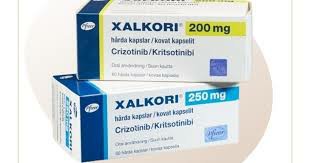
Multiple clinical studies have shown that crizotinib has significant efficacy in the treatment of soft tissue sarcoma. In a study of patients with advanced STS harboring known specific molecular alterations, those treated with crizotinib achieved complete responses (CR) or partial responses (PR) and had longer periods of stable disease (SD). These results indicate that crizotinib has a high efficacy in patients with soft tissue sarcomas carrying specific genetic mutations.
The therapeutic effect of crizotinib is closely related to the patient’s genetic test results. Before using crizotinib, patients need to undergo genetic testing to determine whether there are genetic mutations associated with crizotinib sensitivity. in,PDGFRα gene and ALK gene are important detection targets. If these genetic mutations are present in a patient's tumor cells, crizotinib will be more effective.
Although crizotinib has shown significant efficacy in the treatment of soft tissue sarcoma, patients may also experience some adverse reactions during use. Common adverse reactions include gastrointestinal reactions such as indigestion and nausea, as well as visual impairment, abnormal liver function, etc. Therefore, when using crizotinib, it is necessary to pay close attention to the patient's adverse reactions and make timely adjustments and treatments.
Patients taking crizotinib also need to pay attention to some things. First of all, patients need to use crizotinib under the guidance of a doctor and strictly abide by the dosage and time of administration. Secondly, patients need to undergo regular blood tests, genetic testing and other examinations during treatment to keep abreast of disease changes and drug efficacy. Finally, patients need to avoid eating foods or drugs that may affect the efficacy of the drug, such as seafood, etc. while taking the drug.
[ 免责声明 ] 本页面内容来自公开渠道(如FDA官网、Drugs官网、原研药厂官网等),仅供持有医疗专业资质的人员用于医学药学研究参考,不构成任何治疗建议或药品推荐。所涉药品可能未在中国大陆获批上市,不适用于中国境内销售和使用。如需治疗,请咨询正规医疗机构。本站不提供药品销售或代购服务。


