
.jpeg)
How effective is crizotinib in treating lung adenocarcinoma?
Crizotinib, as a targeted therapy drug, plays an important role in the treatment of lung adenocarcinoma. Its efficacy is mainly reflected in patients with specific gene mutations, especially those with abnormalities in the ALK gene, ROS1 ROS1 gene or C-MET gene.
Crizotinib is particularly suitable for patients with changes in cancer genes in the body and can kill some lung adenocarcinoma cells. For lung adenocarcinoma patients with ALK gene mutations, ROS1 mutations or C-MET gene amplification, the use of crizotinib can significantly prolong the progression-free survival of patients, with a median time of more than 10 months. This means that during treatment with crizotinib, the patient's condition can be effectively controlled and the quality of life improved.
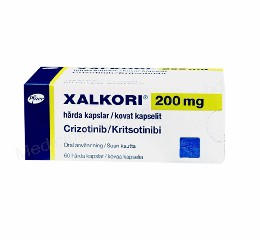
Although crizotinib may cause some side effects during treatment, such as gastrointestinal reactions (nausea, vomiting, etc.), visual abnormalities, liver function damage, etc., most patients can tolerate these side effects. Under the guidance and monitoring of a doctor, drug dosages can be adjusted in a timely manner or corresponding measures can be taken to reduce side effects, ensuring that patients can continue to receive and benefit from treatment.
Before starting crizotinib, it is critical that patients undergo genetic testing. This can help determine whether patients have genetic mutations associated with crizotinib sensitivity, thereby guiding medication decisions. Appropriate patient groups selected through genetic testing can receive crizotinib treatment more accurately, improving treatment effects and reducing unnecessary drug exposure.
[ 免责声明 ] 本页面内容来自公开渠道(如FDA官网、Drugs官网、原研药厂官网等),仅供持有医疗专业资质的人员用于医学药学研究参考,不构成任何治疗建议或药品推荐。所涉药品可能未在中国大陆获批上市,不适用于中国境内销售和使用。如需治疗,请咨询正规医疗机构。本站不提供药品销售或代购服务。


