
.jpeg)
Applicable groups of upadatinib
Upadacitinib is a selective JAK1 inhibitor mainly used to treat a variety of immune-mediated diseases. The following is a detailed introduction to the applicable groups and indications of upadatinib.
Upadatinib is approved for use in adults with rheumatoid arthritis, particularly those who have had an inadequate response to or intolerance to other antirheumatic drugs (DMARDs ). Rheumatoid arthritis is a chronic, autoimmune disease that primarily affects the joints, causing pain, swelling, and dysfunction. Upatinib can improve patients' joint symptoms and quality of life by inhibiting the inflammatory response.
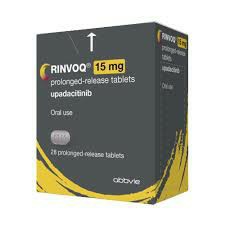
Upadatinib is also suitable for patients with moderate to severe atopic dermatitis, especially those who have poor efficacy of topical treatment or poor response to systemic treatment. Atopic dermatitis is a chronic skin disease characterized by dryness, itching, and inflammation of the skin. Upadatinib can reduce skin inflammation and itching and improve the overall health of the skin by regulating the immune system response.
Upadatinib is also approved for the treatment of patients with moderate to severe ulcerative colitis, particularly those who are refractory to or intolerant to other treatments, such as biologics or traditional immunosuppressants. Ulcerative colitis is a chronic disease that affects the intestines and patients often face abdominal pain, diarrhea and other gastrointestinal symptoms. Upadatinib helps improve patients' quality of life by inhibiting inflammation and promoting mucosal healing.
Although the main indications of upadatinib focus on the above diseases, researchers are also exploring its potential application in other autoimmune diseases. For example, research on immune-mediated diseases such as vitiligo and Sjogren's syndrome is ongoing, which may expand its applicable population.
Patients taking upatinib must be under the guidance of a doctor, especially those with comorbidities or special medical histories, such as infection, liver and kidney dysfunction, etc. In addition, because upatinib may affect immune function, patients need to be regularly monitored for infection risks and other potential side effects during treatment.
[ 免责声明 ] 本页面内容来自公开渠道(如FDA官网、Drugs官网、原研药厂官网等),仅供持有医疗专业资质的人员用于医学药学研究参考,不构成任何治疗建议或药品推荐。所涉药品可能未在中国大陆获批上市,不适用于中国境内销售和使用。如需治疗,请咨询正规医疗机构。本站不提供药品销售或代购服务。


