
.jpeg)
How long does it take for upatinib to take effect?
Upadatinib, a highly efficient and selective JAK1 inhibitor, is gradually becoming a new favorite in the treatment of immune-mediated diseases such as rheumatoid arthritis and atopic dermatitis. Its unique mechanism of action is to effectively curb the production of inflammatory factors by blocking the JAK1 signaling pathway, thereby alleviating inflammatory symptoms and improving patients' quality of life.
One of the distinguishing features of upadatinib is its rapid onset of action. Generally speaking, patients can experience an initial improvement in symptoms within just one to two weeks after starting to take it. This improvement may manifest as a reduction in joint pain, relief of morning stiffness, etc. Of course, the specific onset of effect will vary depending on the patient's individual differences, such as the severity of the condition and the body's ability to metabolize the drug.
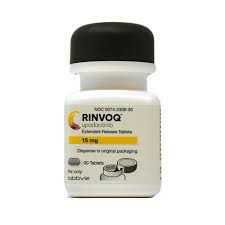
In clinical studies of rheumatoid arthritis, upadatinib has demonstrated impressive rapid efficacy. Many patients experience significant symptom relief within two weeks of treatment. Especially after taking it for 14 days, some patients' joint pain, swelling and mobility were significantly improved. For people with atopic dermatitis, a significant reduction in skin itching and redness is usually observed within the first two to four weeks of treatment.
Although upadatinib has a rapid onset of action, optimal therapeutic effects require continued use for weeks to months. In the treatment of rheumatoid arthritis, patients can observe more significant and stable clinical effects after about 12 weeks, including effective control of inflammation and gradual recovery of joint function. For patients with atopic dermatitis, their skin condition can usually be improved ideally within three months.
When using upadatinib, patients should strictly follow the doctor's instructions and insist on taking the medicine regularly. Even if the symptoms are relieved, the medication should not be stopped without permission. Because early symptom improvement does not equate to complete cure of the disease, continued medication is crucial to maintain efficacy and prevent symptom recurrence or worsening.
[ 免责声明 ] 本页面内容来自公开渠道(如FDA官网、Drugs官网、原研药厂官网等),仅供持有医疗专业资质的人员用于医学药学研究参考,不构成任何治疗建议或药品推荐。所涉药品可能未在中国大陆获批上市,不适用于中国境内销售和使用。如需治疗,请咨询正规医疗机构。本站不提供药品销售或代购服务。


