
.jpeg)
Can ritexitinib cure alopecia areata?
Ritlecitinib, as an emerging JAK3 inhibitor, has emerged in the field of treatment of alopecia areata (Alopecia Areata). However, whether it can completely cure this autoimmune disease still requires in-depth exploration and individualized evaluation. Alopecia areata, a hair loss disease caused by the immune system mistakenly attacking hair follicles, brings considerable trouble to patients. Ritexitinib reduces the immune system's attack on hair follicles by blocking the JAK-STAT signaling pathway, opening up new possibilities for hair regeneration.
In clinical trials, ritexitinib has shown significant effects in promoting hair regeneration and reducing hair loss areas. Especially in patients with moderate to severe alopecia areata, the drug can effectively improve the SALT (Scalp Alopecia Tool) score, which is the evaluation standard for scalp hair loss area, allowing many patients to witness the miracle of hair regrowth after several months of treatment. This therapeutic effect is mainly attributed to the drug's inhibitory effect on abnormal immune responses to hair follicles, allowing hair follicles to re-enter the growth phase and be reborn.
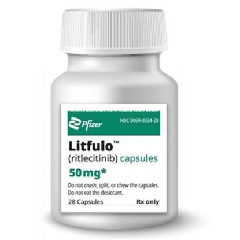
However, the road to cure alopecia areata is not always easy. The therapeutic efficacy of ritexitinib is affected by multiple factors, including the course and severity of alopecia areata and differences in patient drug response. Some patients may relapse after stopping the drug, so long-term maintenance treatment or gradual tapering becomes a choice they have to face. At the same time, although ritexitinib is well tolerated by most patients, the risk of adverse reactions such as upper respiratory tract infection and headache cannot be ignored, and it needs to be used with caution under the guidance of a professional doctor.
In addition, for more severe types of alopecia areata such as total head type and alopecia universalis, the efficacy of ritexitinib may be relatively limited. While it is possible for some hair to regrow, the likelihood of complete recovery of all hair is not high. Therefore, for this type of patients, treatment expectations need to be more rational, and we also look forward to more targeted treatment options in the future.
To sum up, ritixitinib brings new treatment hope to patients with moderate to severe alopecia areata, and can significantly improve symptoms and promote hair growth. However, whether it can completely cure alopecia areata needs to be comprehensively judged based on the patient's specific situation and the adjustment of the treatment plan. In the future, with the accumulation of more long-term studies and clinical data, we will have a deeper understanding of the therapeutic potential and application scope of ritexitinib.
[ 免责声明 ] 本页面内容来自公开渠道(如FDA官网、Drugs官网、原研药厂官网等),仅供持有医疗专业资质的人员用于医学药学研究参考,不构成任何治疗建议或药品推荐。所涉药品可能未在中国大陆获批上市,不适用于中国境内销售和使用。如需治疗,请咨询正规医疗机构。本站不提供药品销售或代购服务。


