
.jpeg)
How long does a course of ritexitinib treatment take?
As a JAK3 inhibitor, when treating autoimmune diseases such as alopecia areata, the dosage cycle of Ritlecitinib is not fixed. Instead, it needs to be flexibly adjusted according to the patient's specific condition, treatment response, and the comprehensive recommendations of clinicians. Because the course and severity of alopecia areata vary significantly between patients, the timing of taking ritexitinib will also vary from person to person.
In clinical trials, the positive effects of ritixitinib in treating alopecia areata usually develop gradually over weeks to months. Generally speaking, after patients continue to take the medication for 8 to 12 weeks, they may observe initial signs of hair regeneration on the scalp, and the hair loss area begins to gradually shrink. However, to achieve more obvious effects, such as a significant increase in hair density and a significant reduction in hair loss area, it is often necessary to continue taking it for 6 months or even longer.
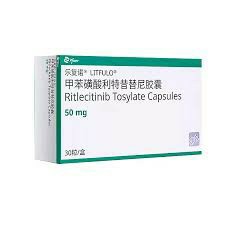
During the treatment period, patients need to return to the hospital regularly so that doctors can promptly adjust the dose of ritexitinib or evaluate whether to continue taking the drug based on treatment response and side effects. For patients who do not respond significantly to initial treatment, doctors may recommend continuing to take the drug for a period of time to ensure that the drug can fully exert its therapeutic effect.
However, it is important to note that patients taking ritexitinib long-term may be at risk of relapse after discontinuation of the drug. Because alopecia areata is a chronic autoimmune disease, once drug suppression is stopped, the immune system may attack the hair follicles again, causing hair to fall out again. Therefore, after achieving the desired treatment effect, some patients may need to gradually reduce the dose of medication or maintain low-dose treatment to reduce the risk of disease recurrence.
In addition, during long-term use of ritexitinib, patients should pay special attention to the side effects of the drug, including the risk of infection, abnormal liver function, etc. Doctors typically monitor patients' health closely during treatment to ensure the medication is safe and effective. At the same time, patients should also actively communicate with doctors and provide timely feedback on any discomfort or abnormal reactions so that doctors can adjust treatment plans in a timely manner to ensure maximum treatment effects.
[ 免责声明 ] 本页面内容来自公开渠道(如FDA官网、Drugs官网、原研药厂官网等),仅供持有医疗专业资质的人员用于医学药学研究参考,不构成任何治疗建议或药品推荐。所涉药品可能未在中国大陆获批上市,不适用于中国境内销售和使用。如需治疗,请咨询正规医疗机构。本站不提供药品销售或代购服务。


