
.jpeg)
Correct dosage, usage and precautions for taking ritexitinib
Ritlecitinib, as an innovative JAK3 inhibitor, is gradually becoming an important drug for the treatment of autoimmune diseases, especially alopecia areata. To ensure that patients can use this drug safely and effectively, it is important to understand its correct dosage, usage, and related precautions.
1. Dosage and usage of ritexitinib
1. Know the recommended dose accurately: For adult patients, the recommended starting dose of ritexitinib is usually 50 mg once daily. However, this is only a baseline dose. When actually taking the medication, the doctor will make appropriate adjustments based on the patient's specific condition, treatment response, and personal constitution. Therefore, strictly following the doctor's instructions and not increasing or decreasing the dosage at will is the key to ensuring the efficacy.
2. Scientific way of taking : Ritexitinib is administered orally. Patients can choose to take it with meals or on an empty stomach. However, in order to ensure a stable concentration of the drug in the body, it is recommended to take it at the same time every day. At the same time, taking medications with water can help improve their absorption efficiency.
3. Flexible maintenance dose adjustment: During the treatment process, doctors will make timely adjustments to the dose based on the patient's response and tolerance. Typically, within a few weeks of starting treatment, your doctor will evaluate the patient's response and decide whether to adjust the dose accordingly. Therefore, patients need to maintain close communication with their doctors and provide timely feedback on the treatment situation.
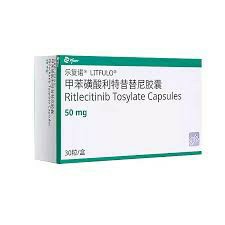
2. Precautions when using ritexitinib
1. Regular monitoring and follow-up: During treatment, patients need to go to the hospital regularly for follow-up and undergo necessary examinations, such as routine blood tests, liver function, and kidney function. These examinations help to promptly detect and deal with potential risks that may be caused by drugs and ensure the safety of treatment.
2. Proper management of side effects: Although ritexitinib is effective, it may also cause some side effects. Common side effects include upper respiratory tract infections, liver function abnormalities, and digestive system reactions (such as nausea, diarrhea, etc.). For upper respiratory tract infections, patients need to seek medical treatment promptly; liver function abnormalities need to be detected and dealt with promptly by regularly monitoring liver enzyme levels; digestive system reactions are usually mild and can be alleviated by adjusting diet.
3. Careful selection of concomitant medications: During the use of ritexitinib, patients need to inform their doctors of all medications they are taking, including prescription drugs, over-the-counter drugs, and herbal supplements. Some drugs may interact with ritexitinib, affecting its efficacy or increasing the risk of side effects. Therefore, be sure to seek professional advice from your doctor when taking medications together.
4. Drug safety in special populations: For pregnant women, lactating women, and patients with liver disease, kidney disease, or other serious diseases, adequate evaluation is required before using ritexitinib. Especially pregnant and lactating women, as there is currently a lack of sufficient research data to confirm the safety of the drug, they should consult a doctor to weigh the risks and benefits before use.
5. Prevention of the risk of discontinuation and recurrence: The effectiveness of ritexitinib in treating alopecia areata may be affected after discontinuation of the drug, and some patients may experience recurrence of hair loss. To reduce the chance of relapse, doctors usually recommend gradually reducing the dose of the medication rather than stopping it suddenly. This strategy helps smooth the transition and reduces the risk of relapse.
6. Emphasis on individualized treatment: Since each patient's specific situation is different, when using ritexitinib, doctors will develop a personalized treatment plan based on the patient's personal situation. This includes dosage adjustment, medication timing, and side effect management. Patients need to actively cooperate with the doctor's treatment suggestions and jointly develop a treatment plan that is most suitable for them.
In summary, ritexitinib has significant efficacy in the treatment of autoimmune diseases such as alopecia areata. However, in order to ensure the safety and effectiveness of the treatment, patients need to strictly follow the doctor's instructions when using it, pay attention to the dosage and usage, and follow up and monitor their physical condition regularly. Through good communication and management, patients can better cope with the challenges during treatment and improve their quality of life.
[ 免责声明 ] 本页面内容来自公开渠道(如FDA官网、Drugs官网、原研药厂官网等),仅供持有医疗专业资质的人员用于医学药学研究参考,不构成任何治疗建议或药品推荐。所涉药品可能未在中国大陆获批上市,不适用于中国境内销售和使用。如需治疗,请咨询正规医疗机构。本站不提供药品销售或代购服务。


