
.jpeg)
Use caution when using upadatinib: a comprehensive analysis of its potential side effects
Upadacitinib, as a highly selective Janus kinase 1 (JAK1) inhibitor, is gradually becoming an important drug for the treatment of a variety of immune-mediated inflammatory diseases. It has demonstrated significant clinical effects in the treatment of diseases such as rheumatoid arthritis, psoriatic arthritis, moderate to severe atopic dermatitis, and ankylosing spondylitis. However, like all drugs, the use of upadatinib is accompanied by a series of potential side effects. Timely identification and management of these side effects is crucial to ensure the safety of patient treatment.
Common side effects and coping strategies
1. Frequent occurrence of upper respiratory tract infections: Upper respiratory tract infection is a common side effect in patients taking upadacitinib, with symptoms including the common cold and sore throat. Most of these infections are mild, but patients still need to remain vigilant and watch for changes in their body. Patients are advised to maintain good personal hygiene habits during medication and avoid close contact with cold patients to reduce the risk of infection.
2. Headache: Headache is another common side effect of upadatinib, which may manifest as mild to moderate pain. For this type of headache, patients can usually find relief by taking regular pain medications. Also, staying well rested and hydrated can help reduce the discomfort of headaches.
3. Nausea and stomach discomfort: Some patients may experience nausea symptoms after starting upadatinib treatment, especially in the early stages of treatment. Nausea symptoms tend to gradually lessen as treatment continues. If symptoms persist and are severe, patients may consider taking medication after meals or consult a doctor to use anti-nausea medications for relief.
4. Diarrhea problem: Diarrhea is also one of the more common side effects of upadatinib, especially in the early stages of treatment. Patients may experience mild to moderate diarrhea. Patients are advised to avoid foods that are too greasy and irritating, keep their diet light, and increase their water intake to prevent dehydration.
5. Skin reactions: Some patients may experience rash, itching or other skin reactions after using upadatinib. In most cases, these reactions are mild, but if the symptoms are severe or continue to worsen, you should seek medical treatment promptly.
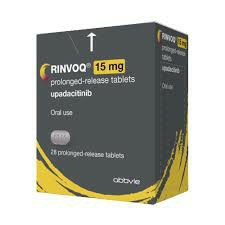
Serious side effects and risk warnings
1. Significantly increased risk of infection: Because Upadatinib suppresses certain functions of the immune system, patients taking this drug may be at increased risk of infection, particularly tuberculosis, fungal, and bacterial infections. Before taking medication, doctors should conduct a comprehensive infection screening on patients and closely monitor infection symptoms during medication. Patients should also pay attention to personal hygiene and avoid contact with sources of infection.
2. Risk of thrombosis: JAKInhibitors may increase the risk of thrombosis, including venous thromboembolism (VTE). Patients should pay close attention to symptoms such as leg swelling, pain, or difficulty breathing while taking upapatinib. Once relevant symptoms appear, you should seek medical treatment immediately for timely diagnosis and treatment.
3. Abnormal liver function: Upadatinib may cause abnormal liver function, so patients need to undergo regular liver function tests during treatment. If liver function indicators increase significantly, doctors may adjust the dosage of the drug or stop taking it to protect the patient's liver health.
4. Hematological abnormalities: Patients taking upapatinib may develop changes in the blood system, including anemia, leukopenia, and thrombocytopenia. These conditions require regular monitoring, and upadatinib should be used with caution, especially in patients with preexisting hematological disorders.
5. Malignant tumor risk: Although further research is needed to confirm, some data show that JAK inhibitors may be associated with an increased risk of certain malignant tumors (such as lymphoma and skin cancer). Therefore, during the period of medication, patients should receive regular health examinations and pay attention to observe abnormal changes in the body. If you notice any suspicious symptoms, you should seek medical attention immediately.
Precautions when using Upatinib
Before using upadatinib, patients must inform their doctor in detail about their past medical history and other drugs they are taking to avoid drug interactions. At the same time, patients should undergo regular blood tests and liver function tests during the medication period in order to detect and deal with possible side effects in a timely manner.
Although upadatinib is excellent in treating a variety of immune-mediated inflammatory diseases, its potential side effects cannot be ignored. Patients should pay close attention to their physical condition and maintain close communication with their doctors when using this drug. With proper monitoring and management, most side effects can be effectively controlled, thereby improving the safety and effectiveness of treatment. When starting or adjusting upadatinib treatment regimen, patients should strictly follow their doctor's recommendations to ensure smooth progress of treatment.
[ 免责声明 ] 本页面内容来自公开渠道(如FDA官网、Drugs官网、原研药厂官网等),仅供持有医疗专业资质的人员用于医学药学研究参考,不构成任何治疗建议或药品推荐。所涉药品可能未在中国大陆获批上市,不适用于中国境内销售和使用。如需治疗,请咨询正规医疗机构。本站不提供药品销售或代购服务。


