
.jpeg)
Upatinib Medication Guide: A safe and efficient treatment strategy
Upadacitinib, a highly effective oral selective Janus kinase inhibitor 1 (JAK1), is gradually playing an important role in the treatment of a variety of immune-mediated inflammatory diseases. Whether it is rheumatoid arthritis, psoriatic arthritis, moderate to severe atopic dermatitis, or ankylosing spondylitis, upadatinib has demonstrated significant therapeutic effects. However, in order to ensure the safety and effectiveness of the medication, patients must strictly follow a series of medication methods and precautions when using upadatinib.
1. Accurately control the dosage of medication
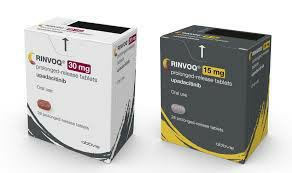
The recommended starting dose of upadacitinib is 15 mg once daily. Patients can choose to take it before or after meals to ensure stable absorption of the drug. If the patient fails to achieve the expected therapeutic effect during treatment, the doctor may prudently adjust the dose to 30 mg once a day based on the patient's specific condition. However, it is important to note that dosage adjustments must be made under the guidance of a doctor. Patients must not change the dosage on their own to avoid affecting the therapeutic effect or causing unnecessary side effects.
2. Standardize medication routes
Upatinib is an oral medication. Patients should swallow the tablet whole with plenty of water. Do not chew, crush or dissolve the tablet. Although the drug can be taken with food, to ensure optimal absorption, patients are advised to take it within a set period of time. This can not only improve the absorption rate of the drug, but also reduce fluctuations in drug efficacy caused by irregular medication times.
3. Adhere to the medication cycle
The therapeutic effect of upadatinib is not achieved overnight, but takes weeks or even months of continuous medication to gradually appear. Therefore, patients should remain patient during medication and communicate with their doctors regularly to evaluate the treatment effects and possible side effects. Do not stop taking the medicine or change the treatment plan because no obvious effect is seen in the short term, so as not to affect the overall treatment effect.
4. Regular monitoring and evaluation
Patients will need regular blood tests and liver function monitoring while taking upadacitinib. These examinations help to promptly detect and deal with possible side effects, such as blood system abnormalities (leukopenia, anemia, etc.) and liver function abnormalities. Once an abnormality is discovered, the doctor will adjust the drug dosage or change the treatment plan according to the specific situation to ensure the patient's safety.
5. Strictly observe the precautions
Risk of infection: Since Upatinib may suppress the immune system, patients need to be particularly alert to symptoms of infection, such as fever, cough, sore throat, etc. during treatment. Once relevant symptoms occur, you should seek medical treatment immediately and inform your doctor that you are using upadatinib.
Dietary modifications: Although Upatinib can be taken with food, patients should avoid excessive alcohol consumption, as alcohol may worsen the side effects of the drug. At the same time, maintaining a balanced diet and taking in sufficient nutrients can help enhance the body's resistance and improve the therapeutic effect.
Pregnancy and Breastfeeding: The safety of upadatinib in pregnant and lactating women has not yet been determined. Therefore, women who are planning to become pregnant or are breastfeeding should consult a doctor before use to ensure the safety of the drug.
Drug Interactions: Patients should inform their doctor in detail about all medications they are taking, including prescription drugs, over-the-counter drugs, herbal remedies, and supplements, before starting upadacitinib. This avoids potential drug interactions and ensures the safety and effectiveness of treatment.
6. Actively manage adverse reactions
Patients should pay close attention to their body reactions during medication, especially common side effects, such as upper respiratory tract infection, headache, nausea, diarrhea, etc. If serious adverse reactions or allergic reactions occur (such as rash, difficulty breathing, facial swelling, etc.), the drug should be discontinued immediately and seek medical treatment as soon as possible. At the same time, patients should maintain close communication with their doctors and provide timely feedback on their medication status so that doctors can adjust treatment plans in a timely manner.
7. Ensure medication compliance
In order to ensure the therapeutic effect, patients should strictly follow the doctor's prescription, take the medicine on time and in the right amount, and never miss a dose or stop taking the medicine on their own. If a dose is missed, the patient should take it as soon as he remembers. However, if the next dose is close, you should skip the dose and continue taking the next dose as originally planned. Remember, never take a double dose at one time to avoid unnecessary side effects.
Upadatinib, as an effective immunomodulatory drug, plays an important role in the treatment of a variety of immune-mediated inflammatory diseases. However, its administration and precautions are equally important. While using Upatinib, patients should communicate with their doctors regularly, strictly follow the medication instructions, and maintain good medication compliance. Through reasonable medication management and monitoring, most patients can safely and effectively use upadacitinib for disease management, thereby improving their quality of life and regaining their health and vitality.
[ 免责声明 ] 本页面内容来自公开渠道(如FDA官网、Drugs官网、原研药厂官网等),仅供持有医疗专业资质的人员用于医学药学研究参考,不构成任何治疗建议或药品推荐。所涉药品可能未在中国大陆获批上市,不适用于中国境内销售和使用。如需治疗,请咨询正规医疗机构。本站不提供药品销售或代购服务。


