
.jpeg)
What is the potential of upadatinib in treating vitiligo?
Upadacitinib, as a selective inhibitor targeting JAK1 (Januskinase1), was originally widely used in the treatment of immune-mediated diseases such as rheumatoid arthritis, atopic dermatitis (eczema) and ulcerative colitis. However, with in-depth research on the mechanism of action of JAK inhibitors, the potential efficacy of upadatinib in the treatment of vitiligo (white spots) has gradually attracted attention.
1. Vitiligo: a chronic disease of pigment loss
Vitiligo, a chronic disease characterized by loss of skin pigment, appears as white patches of varying sizes on the skin. The formation of these white spots is mainly caused by the decline or disappearance of melanocyte function. Its pathogenesis is complex and involves the combined effects of genetic factors, immune system abnormalities and environmental factors.
Abnormal activation of the immune system plays a crucial role in the pathogenesis of vitiligo. TT cells and other immune cells in the body mistakenly attack melanocytes, resulting in a decrease in melanin and subsequent loss of skin pigment. Therefore, regulating the activity of the immune system and reducing immune-mediated inflammatory reactions have become important ways to treat vitiligo.
2. JAKInhibitors: a new direction in the treatment of vitiligo
The JAK-STAT signaling pathway plays a key role in a variety of immune responses, participating in the transmission of cytokine signals and regulating the activity of immune cells. In patients with vitiligo, abnormal activation of the JAK-STAT pathway may exacerbate the immune system's attack on melanocytes.
Upadatinib, as a selective inhibitor ofJAK1, can inhibit the signaling of multiple pro-inflammatory cytokines in the body, thereby reducing autoimmune reactions and improving the living environment of melanocytes. This property makes upadatinib potentially useful in the treatment of vitiligo.
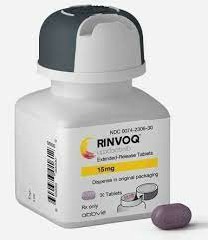
3. Research progress of upadatinib in the treatment of vitiligo
Although research into upadatinib in the treatment of vitiligo is still in its early stages, there are a few clinical trials and case reports that have tentatively explored its effectiveness. However, there is currently a lack of large-scale randomized controlled trials to verify its efficacy and safety.
Some small clinical trials have shown that upadatinib can promote pigment recovery in some patients with vitiligo, especially white spots on the face and other areas with thin skin. After these patients took upatinib for several months, some of the white spot areas showed signs of pigment reflux, the patch area shrank, and the skin pigment gradually recovered.
However, the efficacy of upadatinib varies significantly between patients. Some patients respond better to medications, while others may not. In addition, the treatment effect is also affected by various factors such as the location of the white spots, the duration of the disease, and individual differences.
4. Potential advantages of upadatinib in the treatment of vitiligo
Systemic treatment: Upadatinib, as an oral drug, can regulate the immune response systemically. It is especially suitable for patients with large areas of vitiligo or those who cannot obtain satisfactory results through local treatment. Oral JAK inhibitors affect the immune system more broadly throughout the body than topical hormones or phototherapy.
Reduce inflammatory response: By inhibiting the JAK1 pathway, upadatinib can reduce the levels of pro-inflammatory cytokines in the skin, thereby mitigating the attack of immune cells on melanocytes. This mechanism of action helps improve the skin environment and provides favorable conditions for the regeneration of melanocytes.
5. Combined application: improve treatment effect
In the treatment of vitiligo, upadatinib is often used in combination with other treatments to improve efficacy. For example, phototherapy (such as narrow-band ultraviolet B phototherapy) is one of the common methods for treating vitiligo, and its combination with upadatinib can further promote the regeneration of melanocytes. Research suggests that phototherapy combined with immunomodulatory drugs may increase the effectiveness of pigment reflux.
In addition, some patients with vitiligo may also use topical drugs, such as calcineurin inhibitors or topical hormones, while using upatinib to enhance the local pigment recovery effect. This multi-treatment strategy may lead to better outcomes for patients with refractory or refractory vitiligo.
For patients with vitiligo, upadatinib should be used under the guidance of a doctor, and the treatment plan should be adjusted according to the individual condition. At the same time, combination with other treatments may bring more significant pigment recovery effects to patients. Although upadatinib brings new hope for the treatment of vitiligo, its rational use in clinical application still needs to be treated with caution to ensure that patients obtain the best treatment effect.
[ 免责声明 ] 本页面内容来自公开渠道(如FDA官网、Drugs官网、原研药厂官网等),仅供持有医疗专业资质的人员用于医学药学研究参考,不构成任何治疗建议或药品推荐。所涉药品可能未在中国大陆获批上市,不适用于中国境内销售和使用。如需治疗,请咨询正规医疗机构。本站不提供药品销售或代购服务。


