
.jpeg)
The role and efficacy of the lung cancer targeted drug sotoraxib
Sotorasib is an oral small molecule inhibitor targeting KRAS G12C mutations. It is mainly used to treat patients with advanced non-small cell lung cancer (NSCLC) carrying KRAS G12C mutations. This specific KRAS mutation accounts for about 13% of NSCLC and is one of the common mutation types in non-small cell lung cancer. KRASmutation has long been considered an "undruggable" target. Due to its unique structure, it is difficult to develop effective targeted drugs. The successful introduction of sotoracib breaks through this barrier and brings new treatment options to these patients with lung cancer.
Mechanism of action of sotorasiib
Sotorasiib specifically blocks the KRAS signaling pathway by targeting and binding to the KRAS G12C mutant protein. KRASThe protein is a key signaling molecule that plays an important role in cell growth, proliferation and differentiation. KRAS G12CMutation will cause the protein to be in a continuously activated state, causing cancer cells to continue to proliferate and form tumors. Sotoracib can specifically recognize the KRAS G12C mutated protein, irreversibly bind to it and inhibit its activity. This mechanism of action effectively prevents the proliferation and spread of mutant cells, and has a significant inhibitory effect on patients carrying the KRAS G12C mutation.
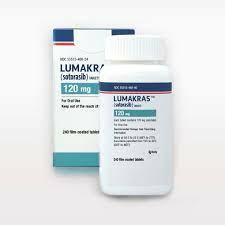
Clinical effects of sotorasiib
In clinical trials, sotoraxib demonstrated significant efficacy. The results of its Phase II clinical trial codenamed CodeBreaK 100 showed that sotorasibu had a good objective response rate in KRAS G12C mutation-positive NSCLC patients (ORR) and progression-free survival (PFS). Thirty-seven percent of patients treated with sotoraxib experienced tumor shrinkage of at least 30% and achieved a mean progression-free survival of 6.8 months. For patients with advanced lung cancer who have experienced multiple treatments but with poor results, sotorasiib has become a new and effective option that can significantly extend the patient's life and improve their quality of life.
The problem of drug resistance to sotorasiib
Although the effect of sotoraxib is remarkable, some patients will develop drug resistance after using it for a period of time. Drug resistance is often a problem in targeted therapy. After patients with KRAS G12C mutations receive sotorasiib for a period of time, the drug may become ineffective due to further mutations in the KRAS protein or activation of other signaling pathways. To combat drug resistance, researchers are exploring more effective KRAS inhibitors, combination treatment regimens, and other treatments that can target KRAS mutations to extend patient treatment and improve efficacy.
Side effects of sotorasiib
Sotoraxib was generally well tolerated, but it also produced some common adverse reactions. The main side effects include gastrointestinal reactions (such as diarrhea, nausea, vomiting), fatigue, abnormal liver function, etc. Most side effects are mild to moderate, but some patients may need to adjust the dose or suspend the medication. Therefore, patients need to closely monitor liver function and other adverse reactions during use, and seek medical attention in time if serious reactions occur. In addition, doctors will adjust the dosage or supplement with other drugs according to the patient's specific conditions to reduce adverse reactions.
The success of sotoracib has brought new ideas toKRAS targeted therapy and encouraged the development of more KRAS targeted drugs. Currently, drug research targeting different KRAS mutation types is progressing. The efficacy of sotoracib is also being explored in other cancer types, and patients with the KRAS G12C mutation found in colorectal and pancreatic cancer may benefit. In the future, sotoracib and its subsequent drugs are expected to expand the scope of indications and provide treatment options for more cancer patients.
Sotoracib as firstKRAS G12CInhibitors have brought revolutionary treatments to patients with KRAS mutation-positive lung cancer. Its specific targeting effect can effectively block the activity of KRAS G12C mutant protein and inhibit the growth of cancer cells, thus prolonging the progression-free survival of patients and providing treatment possibilities for patients with KRAS mutations who were once incurable. Despite the problems of drug resistance and side effects, the advent of sotorasiib has laid an important foundation for the development of KRAS-targeted drugs in the future. With the continuous development of more new drugs and combination therapies, the treatment prospects for patients with KRAS mutations will become even broader.
[ 免责声明 ] 本页面内容来自公开渠道(如FDA官网、Drugs官网、原研药厂官网等),仅供持有医疗专业资质的人员用于医学药学研究参考,不构成任何治疗建议或药品推荐。所涉药品可能未在中国大陆获批上市,不适用于中国境内销售和使用。如需治疗,请咨询正规医疗机构。本站不提供药品销售或代购服务。


