
.jpeg)
What drug should be changed after sotorasib becomes resistant?
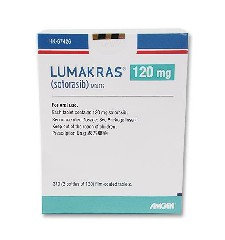
Sotorasib (Sotorasib) is the first targeted drug for the KRAS G12C mutation, bringing a new treatment option to patients with non-small cell lung cancer (NSCLC) suffering from the KRAS G12C mutation. However, many patients develop drug resistance after using sotoraxib for a period of time, causing the drug's efficacy to gradually weaken or even become ineffective. Resistance to sotoraxib is mainly due to further mutations in the KRAS gene or compensatory activation of other signaling pathways, such as EGFR, MET or PI3K/AKT signaling pathways. Therefore, scientists are actively exploring new alternative treatment options for patients who are resistant to sotoraxib. Here are several possible options.
1. Second GenerationKRAS G12CInhibitors
After sotorasiib, multiple second-generationKRAS G12Cinhibitors are in development. Compared with sotoraxib, these new generation inhibitors are more specific in molecular design and can inhibit the KRAS G12C mutant protein more effectively and delay the occurrence of drug resistance. For example, new drugs such as LY3499446 developed by Eli Lilly and JDQ443 developed by Novartis have shown potential, and some have entered the clinical trial stage. Although these drugs have not yet been officially launched, if they successfully pass clinical trials, they may become the next generation alternative for patients with sotoraxib resistance.
2. KRAS G12D/G12VInhibitors
Among the different subtypes of KRAS mutations, G12D and G12V mutations are also more common types. KRAS G12CMutation may be accompanied by other subtype mutations, and even new mutations may occur during treatment. In response to this situation, scientists are developing new KRAS G12D/G12V inhibitors to inhibit multiple KRAS mutant subtypes. These inhibitors have shown good results in animal experiments and cell experiments, but are still in the clinical development stage and are expected to become alternative treatments for KRAS-resistant patients in the future.
3. Combined targeted therapy
For patients resistant to sotoraxib, combined targeted therapy is an effective strategy. By jointly inhibiting KRAS G12C and its related signaling pathways, the resistance problem of single-targeted drugs can be effectively overcome. For example, inKRAS Compensatory activation of the EGFR and MET pathways is more common in lung cancer patients with G12C mutations. Therefore, combined use of EGFR inhibitors (such as osimertinib) or MET inhibitors (such as crizotinib) may delay the development of resistance. Preclinical studies have shown that these combination strategies effectively prolong disease control in some patients.
4. Immunotherapy
Immunotherapy, especially PD-1 or PD-L1 inhibitors (such as pembrolizumab and nivolumab), is effective for some patients with KRAS mutations and has become a routine treatment option for advanced lung cancer. Although the efficacy of immunotherapy alone in patients with KRAS mutations is not as significant as that in patients with EGFR mutations, combining KRAS G12C inhibitors or chemotherapy may enhance patients' anti-tumor immune responses. Some clinical trials are already studying the efficacy of sotoracib combined with PD-1 inhibitors. Preliminary results show a certain efficacy, especially for patients who are resistant to sotoracib.
5. Chemotherapy
Returning to traditional chemotherapy is still a feasible option for patients who are resistant to sotoraxib and have no other targeted treatment options. Although chemotherapy is relatively toxic, it still has a good control effect on some patients with KRAS mutations. In cases of drug resistance, commonly used chemotherapy drugs such as pemetrexed (Pemetrexed) combined with platinum drugs, or combined with anti-angiogenic drugs such as bevacizumab, can help control the progression of the disease. Although chemotherapy has serious side effects, it is still an alternative when there are no other better treatment options.
6. New clinical trials
Patients with sotorasiib-resistant KRAS G12C mutations may also choose to join new clinical trials to explore the latest drugs or combination therapies. Currently, many pharmaceutical companies and research institutions are developing new drugs targeting KRAS mutations, including multi-target inhibitors, bispecific antibodies, etc. Participation in these trials gives patients access to the latest treatments while providing valuable clinical data for research and development.
Although treatment options after sotorasiib resistance are limited, the development of multiple new generationKRAS inhibitors and combination therapies brings hope to patients. In the future, with in-depth research on KRAS targeted drugs and combination treatment options, more treatments for KRAS G12C resistance will gradually become available. For drug-resistant patients, timely attention to the latest clinical advances and choosing appropriate treatment options under the guidance of professional doctors will help prolong survival and improve quality of life.
[ 免责声明 ] 本页面内容来自公开渠道(如FDA官网、Drugs官网、原研药厂官网等),仅供持有医疗专业资质的人员用于医学药学研究参考,不构成任何治疗建议或药品推荐。所涉药品可能未在中国大陆获批上市,不适用于中国境内销售和使用。如需治疗,请咨询正规医疗机构。本站不提供药品销售或代购服务。


