
.jpeg)
Is ivonib/ivitinib reimbursed by medical insurance?
Ivosidenib/Ivosidenib is a targeted therapy drug mainly used to treat acute myeloid leukemia (AML) and certain solid tumors. This drug targets mutations in the IDH1 gene, which are common in some patients with acute myeloid leukemia. IDH1 (isocitrate dehydrogenase 1) mutations lead to abnormal cell metabolism, thereby promoting the proliferation and growth of cancer cells. Ivonib helps restore normal cell metabolism and induces apoptosis of cancer cells by inhibiting the activity of mutant IDH1.
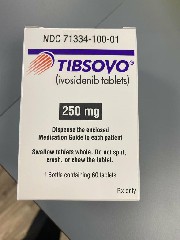
In clinical application, ivonib is particularly suitable for patients with acute myeloid leukemia who carryIDH1 mutations. According to clinical trial data, the drug has shown significant efficacy, improving patients' response rates and extending survival to a certain extent. For patients who cannot tolerate conventional chemotherapy or whose chemotherapy results are ineffective, ivonib provides a new treatment option. In addition, ivonib is also being explored for use in other types of cancer, such as biliary tract cancer, myelodysplastic syndrome, etc.
Regarding the medical insurance reimbursement of ivonib, with its launch in China, the National Medical Products Administration’s approval of the drug has made it a treatment option for more patients. According to the latest medical insurance policy, ivonib is not included in the scope of medical insurance reimbursement.
The use of ivonib still needs to be carried out under the guidance of professional doctors, and patients need to be monitored regularly during treatment to evaluate the efficacy and observe possible side effects. Although targeted drugs can significantly improve the prognosis of some cancer patients, they may also cause some adverse reactions, so patients need to fully understand their condition and treatment options.
[ 免责声明 ] 本页面内容来自公开渠道(如FDA官网、Drugs官网、原研药厂官网等),仅供持有医疗专业资质的人员用于医学药学研究参考,不构成任何治疗建议或药品推荐。所涉药品可能未在中国大陆获批上市,不适用于中国境内销售和使用。如需治疗,请咨询正规医疗机构。本站不提供药品销售或代购服务。


