
.jpeg)
The difference between giant cell tumor of bone and osteosarcoma
Giant cell tumor of bone and osteosarcoma are two distinct bone diseases with clear distinctions between them.
Giant cell tumor of bone is mainly derived from monocytes differentiated from bone marrow stromal cells. It is usually regarded as a benign tumor. Although it has strong invasiveness and metastatic ability, it does not have the unlimited proliferation and spread characteristics of malignant tumors. Osteosarcoma is a highly malignant primary bone tumor that is highly malignant and invasive and can spread rapidly and pose a serious threat to the patient's life.
The cause of giant cell tumor of bone may be related to osteitis deformans and, in rare cases, hyperparathyroidism, but the exact cause is not yet fully understood. Relatively speaking, the causes of osteosarcoma are more complex and may be related to multiple factors such as genetic factors, long-term exposure to harmful chemicals or ionizing radiation.
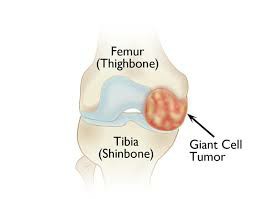
Typical symptoms of giant cell tumors of bone include the formation of localized masses that are often ill-defined, have some mobility, and may be accompanied by soreness when pressed. The symptoms of osteosarcoma are more severe. Early-stage patients usually experience significant pain and swelling. As the disease progresses, patients may develop pathological fractures, seriously affecting their quality of life.
Giant cell tumor of bone mostly occurs in adults between 20 and 40 years old, while osteosarcoma is more common in teenagers, especially in the age group between 10 and 20 years old. This difference has important reference value in diagnosis and treatment.
Giant cell tumor of bone is mainly treated through surgery, such as removing the tumor and protecting the affected limb to prevent local recurrence and distant metastasis. Although giant cell tumor of bone may recur, the disease can be effectively controlled with surgery in most cases. In contrast, osteosarcoma has a poor prognosis and requires comprehensive treatment including surgery, radiotherapy, and chemotherapy. Even with aggressive treatment, survival rates from osteosarcoma remain relatively low.
(Common therapeutic drugs for bone giant cell cancer include: pembrolizumab, cetuximab, nivolumab, etc. For specific drug details, please see the homepage of the website or click for consultation)
[ 免责声明 ] 本页面内容来自公开渠道(如FDA官网、Drugs官网、原研药厂官网等),仅供持有医疗专业资质的人员用于医学药学研究参考,不构成任何治疗建议或药品推荐。所涉药品可能未在中国大陆获批上市,不适用于中国境内销售和使用。如需治疗,请咨询正规医疗机构。本站不提供药品销售或代购服务。


