
.jpeg)
Can esophageal cancer be cured?
Whether esophageal cancer can be cured mainly depends on many factors, including the stage of the disease, the patient's physical condition, the treatment chosen, and the patient's response to treatment.
For early-stage esophageal cancer, the likelihood of cure is relatively high. Early esophageal cancer is usually limited to the mucosa and submucosa, and has not yet metastasized to lymph nodes or distant sites. At this time, radical cure can often be achieved through surgical resection and lymph node dissection. According to statistics, after surgical treatment for early-stage esophageal cancer, the 5 annual survival rate can usually reach 80%-90%. This means that most patients survive long-term after surgery, with significantly improved quality of life.
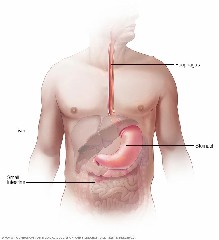
Compared with early-stage esophageal cancer, the treatment of mid-late-stage esophageal cancer is significantly more difficult. Patients with intermediate and advanced esophageal cancer usually have lymph node metastasis or distant metastasis, making it difficult to completely remove the tumor with surgery. At this time, the main goals of treatment are to control disease progression, relieve symptoms, and improve the patient's quality of life. Despite this, through comprehensive treatments (such as radiotherapy, chemotherapy, immunotherapy, etc.), some patients can still achieve long-term survival with tumors.
Treatment methods for esophageal cancer include surgery, radiotherapy, chemotherapy and comprehensive treatment. Surgical treatment is the preferred method for early-stage esophageal cancer. It achieves radical cure by removing the tumor and surrounding lymph nodes. Radiation therapy is suitable for patients who are inoperable or difficult to operate. It can effectively shrink tumors and relieve symptoms. Chemotherapy is usually used for postoperative adjuvant treatment or palliative treatment for patients with intermediate and advanced stages, and can kill or inhibit the growth of tumor cells. Comprehensive treatment organically combines surgery, radiotherapy, chemotherapy and other methods according to the patient's specific situation to improve the treatment effect.
Factors such as the patient's physical condition, age, mentality, and compliance with treatment will also affect the treatment effect of esophageal cancer. Patients in good physical condition are more able to tolerate the side effects of surgery, radiotherapy and chemotherapy, resulting in better treatment outcomes. At the same time, a positive attitude and good compliance can also help improve treatment effects and extend survival.
(Common esophageal cancer treatment drugs include: pembrolizumab, cetuximab, nivolumab, etc. For specific drug details, please see the homepage of the website or click for consultation)
[ 免责声明 ] 本页面内容来自公开渠道(如FDA官网、Drugs官网、原研药厂官网等),仅供持有医疗专业资质的人员用于医学药学研究参考,不构成任何治疗建议或药品推荐。所涉药品可能未在中国大陆获批上市,不适用于中国境内销售和使用。如需治疗,请咨询正规医疗机构。本站不提供药品销售或代购服务。


