
.jpeg)
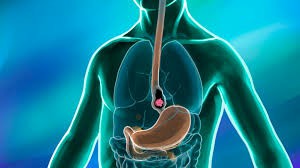
What causes esophageal tumors
The causes of esophageal tumors are complex and involve many factors. The following is a detailed analysis of its main triggers:
Bad eating habits: Long-term smoking and heavy drinking are important causes of esophageal tumors. Smokers may have a 3 to 8 times increased risk of esophageal cancer, while drinkers may have a 7 to 50 times increased risk. In addition, bad eating habits such as eating overheated, hard food or eating too fast may also induce esophageal tumors. These behaviors can cause damage to the esophageal mucosa, and long-term accumulation may cause cell mutations.
Chemical effects: Increased levels of nitrosamines in food are associated with an increased risk of esophageal cancer. Nitrite is the precursor of nitrosamine compounds, and fungi in moldy food can reduce nitrate to nitrite, thereby promoting the synthesis of carcinogens such as nitrosamines. The content of nitrosamines in food and drinking water in high-incidence areas is also often higher.
Nutritional deficiency: Long-term lack of trace elements and vitamins in the diet, especially selenium, β-carotene, vitamin E, etc., may be one of the factors in the incidence of esophageal cancer. These nutrients are essential for maintaining the health of the esophageal mucosa.
Genetic factors: Cancer is an abnormal proliferation of tissue caused by genetic mutations, so esophageal tumors have a certain genetic susceptibility. Children whose parents have esophageal tumors may be at increased risk.
Digestive system diseases: Pathological changes in upper digestive system tissues such as bile reflux gastritis, superficial chronic gastritis, etc. may cause gastric acid reflux, thereby irritating the esophageal mucosa and increasing the risk of esophageal neoplastic lesions.
Physical and biological factors: Physical factors such as drinking hot soup, hot water, and hot drinks are also considered to be one of the carcinogenic factors of esophageal tumors. At the same time, certain fungi such as Aspergillus flavus and Fusarium may also play a role in the pathogenesis of esophageal cancer.
(Common esophageal cancer treatment drugs include: pembrolizumab, cetuximab, nivolumab, etc. For specific drug details, please see the homepage of the website or click for consultation)
[ 免责声明 ] 本页面内容来自公开渠道(如FDA官网、Drugs官网、原研药厂官网等),仅供持有医疗专业资质的人员用于医学药学研究参考,不构成任何治疗建议或药品推荐。所涉药品可能未在中国大陆获批上市,不适用于中国境内销售和使用。如需治疗,请咨询正规医疗机构。本站不提供药品销售或代购服务。


