
.jpeg)
Sotoraxib versus conventional chemotherapy: Comparison of two major strategies in lung cancer treatment
In the field of lung cancer treatment, with the advancement of science and technology and the deepening of medical research, more and more treatment methods have been developed, providing more choices for lung cancer patients. Among them, Sotorasib (Sotorasib), as a representative of targeted drugs, is significantly different from traditional chemotherapy in terms of mechanism of action, therapeutic effect, side effects, personalized treatment, indications and scope of application. This article will discuss in detail the different performances of the two in the treatment of lung cancer.
1. Similarities and Differences in Mechanisms of Action
Targeted therapy: sotorasib’s precision strike
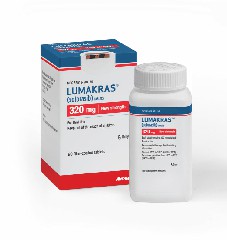
Sotorasiib is a targeted inhibitor of the KRAS G12C mutation. KRASMutations of the KRAS gene are common in non-small cell lung cancer (NSCLC), and effective treatments have been lacking for a long time. Sotoracib precisely blocks the active site of the mutated KRAS protein and inhibits the signal transduction of cancer cells, thereby effectively slowing down the growth and spread of tumors. This precise molecular targeting mechanism allows sotorasiib to specifically act on cancer cells with KRAS G12C mutations, while minimizing damage to normal cells.
Chemotherapy: A non-selective, all-out attack
Compared with traditional chemotherapy, the targeted nature of sotoraxib is particularly outstanding. Chemotherapy drugs usually achieve the effect of inhibiting tumors by blocking rapidly dividing cells. This includes not only cancer cells, but also other rapidly dividing normal cells in the body, such as blood cells, hair follicle cells, etc. Therefore, chemotherapy has a wider range of side effects and may have an impact on the systemic system. Its non-selective treatment mechanism also limits its therapeutic effect in specific types of cancer.
2. Comparison of treatment effects
Targeted therapy: significantly better than chemotherapy
In patients with KRAS G12C mutated non-small cell lung cancer, sotoracib, as a targeted drug, has significantly better efficacy than traditional chemotherapy. Clinical trial data show that sotoracib has excellent performance in delaying disease progression and reducing tumor size, bringing new treatment hope to these patients. Although chemotherapy is suitable for patients with many different types of cancer, its therapeutic effect is relatively limited in KRAS G12C mutated non-small cell lung cancer.
3. Differences in Side Effects
Targeted therapy: mild and controllable
The side effects of sotoraxib are usually mild and mainly include fatigue, diarrhea, nausea, abnormal liver function, etc. Most of these side effects can be effectively controlled through dose adjustment or auxiliary drugs. Because sotoraxib is specific and selective for cancer cells, it has less impact on normal cells and has less impact on the patient's overall health.
Chemotherapy: Severe and Extensive
In contrast, the side effects of chemotherapy appear to be more severe and widespread. Chemotherapy drugs not only attack cancer cells, but also damage normal cells, leading to a series of adverse reactions such as decreased immunity, hair loss, nausea, vomiting, fatigue, and anemia. These side effects seriously affect the patient's quality of life and may even lead to treatment interruption.
4. Realization of personalized treatment
Targeted therapy: a model of precision medicine
Soteracib, as a targeted drug, provides a more precise treatment option for patients with KRAS G12C mutations. This personalized treatment strategy allows drugs to specifically target a patient's specific genetic mutations, thereby improving treatment effectiveness and reducing unnecessary side effects. As the concept of precision medicine continues to deepen, targeted therapy will become an important direction in future cancer treatment.
Chemotherapy: Limited personalization
Compared with targeted therapies, chemotherapy is more limited in terms of personalization. Although the dosage of chemotherapy drugs can be adjusted or the regimen optimized according to the specific situation of the patient, its non-selective treatment mechanism determines that it cannot treat the patient's specific genetic mutations as precisely as targeted therapy.
5. Comparison of indications and application scope
Targeted therapy: focusing on specific groups of people
The scope of indications for sotoracib is relatively limited, and it is currently mainly targeted at patients with KRAS G12C mutated non-small cell lung cancer. However, with the continuous deepening of targeted drug research and the continuous advancement of technology, more targeted drugs targeting different genetic mutations may be released in the future, providing the possibility of precise treatment for more types of cancer patients.
Chemotherapy: widely used but with varying effects
Chemotherapy has a wider scope of application and is suitable for almost all types of cancer patients. However, due to the non-selective mechanism of action of chemotherapy drugs, their therapeutic effects vary in different types of cancer. For certain types of cancer, chemotherapy may not be effective or have serious side effects, limiting its use.
To sum up, both sotoraxib targeted therapy and traditional chemotherapy have their own advantages and disadvantages in the treatment of lung cancer. Targeted therapy provides better treatment options for specific types of cancer patients with its precision, high efficiency and low side effects; while chemotherapy plays an irreplaceable role in cancer treatment with its wide range of applicability and mature treatment options. For lung cancer patients with KRAS G12C mutations, sotoracib is undoubtedly a more personalized, precise and effective treatment option.
[ 免责声明 ] 本页面内容来自公开渠道(如FDA官网、Drugs官网、原研药厂官网等),仅供持有医疗专业资质的人员用于医学药学研究参考,不构成任何治疗建议或药品推荐。所涉药品可能未在中国大陆获批上市,不适用于中国境内销售和使用。如需治疗,请咨询正规医疗机构。本站不提供药品销售或代购服务。


