
.jpeg)
The problem of drug resistance to sotoraxib and its countermeasures and delay methods
Sotorasib is a targeted therapy for patients with non-small cell lung cancer (NSCLC) carrying KRAS G12C mutations. However, like many targeted drugs, sotoraxib also faces the problem of drug resistance during treatment. So, how long does it take for patients to develop drug resistance after taking sotoraxib? How to deal with drug resistance? This article will explain it to you in detail.
1. Time and causes of drug resistance to sotoraxib
The time for the emergence of resistance to sotoraxib varies among individuals. Generally speaking, patients may gradually develop resistance after taking it for several months to a year. The arrival of this time point is often closely related to a variety of factors.
1. Secondary mutation of KRAS G12C: During the long-term use of sotoraxib, the KRAS gene may undergo new mutations, resulting in changes in the KRAS protein structure, making sotoraxib unable to continue to exert its inhibitory effect. This secondary mutation is one of the important reasons for the development of drug resistance.
2. Activation of bypass signaling: Cancer cells have extremely strong adaptability and escape mechanisms. When KRAS is inhibited by sotoraxib, cancer cells may evade the inhibitory effect and continue to proliferate by activating other signaling pathways (such as EGFR, MET, etc.). Activation of this bypass signaling is also an important pathway for the development of drug resistance.
3. Enhancement of cell adaptive mechanism: Cancer cells have strong adaptability. They may reduce the therapeutic effect of sotoraxib by increasing the expression of resistance-related proteins, repairing DNA damage, etc., thus gradually developing drug resistance.
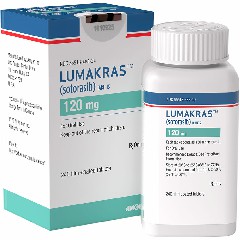
2. Effective strategies to deal with drug resistance
Faced with resistance to sotoraxib, doctors often adopt a series of strategies to ensure that patients can continue to receive effective treatment.
1. Exploration of combination therapy: When resistance to sotoraxib occurs, doctors will first consider a combination treatment strategy. By combining it with other targeted drugs (such as EGFR inhibitors) or immunotherapy drugs, multiple signaling pathways can be blocked and the risk of drug resistance can be reduced. This combination therapy has shown good results in clinical trials, but the specific combination needs to be customized according to the specific situation of the patient.
2. Substitution of targeted drugs: If the resistance to sotoraxib is strong and there are no other effective targeted drug combinations, doctors may consider changing the treatment plan. For patients with mutations in other molecular targets other than KRAS mutations (such as MET, PI3K, etc.), corresponding targeted drugs can be selected to replace sotoraxib. As scientific research continues to deepen, new KRAS G12C inhibitors may be released in the future, providing more options for drug-resistant patients.
3. Re-conducting genetic testing: After drug resistance, patients should undergo detailed genetic testing to find out whether new mutations or gene expression changes have occurred. The results of genetic testing can help doctors find new treatment targets and formulate more personalized treatment plans. For example, if EGFR or MET auxiliary pathway activation is detected, corresponding inhibitors can be added to sotorasib.
4. Chemotherapy and immunotherapy considerations: When sotorasib and other targeted treatments fail, doctors may recommend traditional chemotherapy or immunotherapy as an alternative. Although chemotherapy has serious side effects, it may still be effective for some patients; immunotherapy activates the body's immune system to attack cancer cells and is suitable for some drug-resistant patients.
3. How to effectively delay the occurrence of drug resistance
In order to prolong the effective treatment time of sotoraxib, patients should actively cooperate with the doctor's treatment recommendations during use and take the following measures to delay the occurrence of drug resistance.
1. Regular follow-up and monitoring: Patients should undergo regular re-examination, including imaging examinations and biomarker monitoring. Through these examinations, signs of drug resistance can be detected early and treatment strategies can be adjusted in a timely manner.
2. Strictly follow the doctor’s instructions for medication use: Patients should avoid adjusting the dosage of medicines on their own, but should strictly follow the doctor’s instructions. Either excess or deficiency may lead to the development of drug resistance.
3. Lifestyle management and optimization: Maintaining a healthy lifestyle has a positive impact on the efficacy of drugs. Patients should focus on a balanced diet, proper exercise and adequate rest to enhance their overall anti-cancer ability.
In summary, resistance to sotoraxib is a matter of great concern. Once drug resistance occurs, patients should communicate with their doctors in a timely manner and receive treatment measures such as combination therapy, drug adjustment, or genetic testing. With reasonable treatment plans and timely adjustments, some patients can continue to achieve effective disease control. Under the guidance of doctors, patients can actively deal with drug resistance issues, prolong survival and improve quality of life.
[ 免责声明 ] 本页面内容来自公开渠道(如FDA官网、Drugs官网、原研药厂官网等),仅供持有医疗专业资质的人员用于医学药学研究参考,不构成任何治疗建议或药品推荐。所涉药品可能未在中国大陆获批上市,不适用于中国境内销售和使用。如需治疗,请咨询正规医疗机构。本站不提供药品销售或代购服务。


