
.jpeg)
Frequency of taking osimertinib: How often is better to extend survival?
Osimertinib, as a third-generation EGFR tyrosine kinase inhibitor, has shown significant efficacy in the treatment of non-small cell lung cancer (NSCLC). Regarding the frequency of taking it,
Based on multiple studies and the drug's instructions for use, the standard dosing frequency of osimertinib is 80 mg once daily until disease progression or intolerable adverse effects occur. This dosage regimen is based on the pharmacokinetic properties of the drug and clinical trial results, and is designed to maintain effective blood drug concentrations to continuously inhibit the growth of tumor cells.
Taking osimertinib once a day can ensure that the drug reaches a stable blood concentration in the body, thereby continuously inhibiting the growth of tumors caused by EGFR mutations. This sustained suppression is critical to extending patients' progression-free survival (PFS) and overall survival (OS).
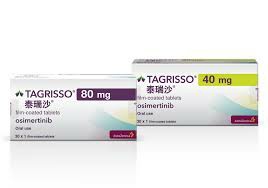
Taking medication regularly every day can help reduce the risk of tumor cells becoming resistant to the drug. By maintaining stable blood drug concentrations, tumor cells are less exposed to drug fluctuations, thereby reducing their likelihood of adapting to and resisting the drug.
If the patient misses a dose, he should take it as soon as possible, unless the next dose is within 12 hours. In this case, patients are not advised to take additional doses to make up for missed doses to avoid overdose. Depending on the patient's tolerance of adverse drug reactions, the doctor may recommend temporarily discontinuing the drug or reducing the dose. If dose reduction is necessary, the dose is usually reduced to 40 mg/day. But please note that this adjustment should be made according to the guidance of your doctor.
To sum up, in order to better prolong survival, patients should follow the doctor's recommended regimen of taking osimertinib once a day, 80 mg per time. This regimen is designed based on clinical trial evidence and pharmacokinetic principles to achieve optimal therapeutic effects and reduce the risk of drug resistance. At the same time, patients should also pay attention to regularly monitoring their physical condition and promptly communicating with their doctors about any discomfort or changes so that the treatment plan can be adjusted in a timely manner.
[ 免责声明 ] 本页面内容来自公开渠道(如FDA官网、Drugs官网、原研药厂官网等),仅供持有医疗专业资质的人员用于医学药学研究参考,不构成任何治疗建议或药品推荐。所涉药品可能未在中国大陆获批上市,不适用于中国境内销售和使用。如需治疗,请咨询正规医疗机构。本站不提供药品销售或代购服务。


