
.jpeg)
Selumetinib combined with osimertinib in the treatment of lung cancer
Lung cancer is a malignant tumor with high morbidity and mortality rates worldwide, and its treatment strategies have always been a hot topic in medical research. In recent years, with the rise of targeted therapy, more and more lung cancer patients have benefited from it. Among them, osimertinib, as a third-generation epidermal growth factor receptor (EGFR) tyrosine kinase inhibitor, has demonstrated significant therapeutic effects in patients with EGFR sensitive mutations of non-small cell lung cancer (NSCLC). Selumetinib, as a drug with anti-tumor activity, has also attracted much attention for its application in the treatment of lung cancer.
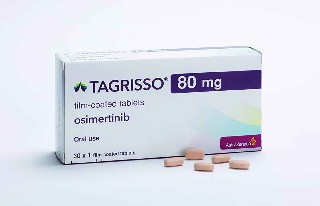
Osimertinib has become a first-line treatment option for patients with EGFR sensitive mutationsNSCLC due to its highly selective inhibitory effect on the EGFR signaling pathway. Multiple clinical studies have confirmed that compared with first- and second-generation EGFR inhibitors, osimertinib can significantly extend patients' progression-free survival (PFS) and overall survival (OS), while reducing the risk of disease progression and death. In addition, osimertinib also has good central nervous system penetration and has shown good efficacy in patients with brain metastases.
Selumetinib, as a targeted drug, mainly exerts anti-tumor effects by inhibiting specific signaling pathways. In multiple preclinical studies, selumetinib has demonstrated inhibitory effects on the proliferation of a variety of tumor cells and induced tumor cell apoptosis. In addition, selumetinib can also inhibit the formation of tumor blood vessels, thereby indirectly limiting the growth and spread of tumors. These research results provide a theoretical basis for the application of selumetinib in the treatment of lung cancer.
Based on the respective advantages of osimertinib and selumetinib in the treatment of lung cancer, combining these two drugs may have better therapeutic effects. On the one hand, osimertinib can specifically inhibit the abnormal activation of the EGFR signaling pathway and block the growth signals of cancer cells; on the other hand, selumetinib can further enhance the anti-tumor effect of osimertinib by inhibiting other signaling pathways related to tumor growth and metastasis. In addition, the combined use of two drugs may also reduce the development of drug resistance when using a single drug, thereby prolonging the treatment response time and survival of patients.
However, the clinical efficacy and safety of selumetinib combined with osimertinib in the treatment of lung cancer still needs to be evaluated through rigorous clinical trials. In clinical trials, the impact of the combined treatment regimen on patient indicators such as PFS, OS, and objective response rate (ORR) was mainly observed. Evaluate the advantages and disadvantages of combination therapy by comparing it with single drug therapy or other combination treatment options.
Pay close attention to possible adverse reactions caused by the combined treatment regimen, such as nausea, vomiting, diarrhea, rash, etc. At the same time, changes in the function of the patient's heart, liver, kidney and other important organs are monitored to ensure the safety of the treatment. During long-term treatment, patients' tumor markers and gene mutations are regularly detected to evaluate the impact of combined treatment options on drug resistance. If signs of drug resistance are found, the treatment plan should be adjusted in time.
[ 免责声明 ] 本页面内容来自公开渠道(如FDA官网、Drugs官网、原研药厂官网等),仅供持有医疗专业资质的人员用于医学药学研究参考,不构成任何治疗建议或药品推荐。所涉药品可能未在中国大陆获批上市,不适用于中国境内销售和使用。如需治疗,请咨询正规医疗机构。本站不提供药品销售或代购服务。


