
.jpeg)
What is metastatic lung cancer and what are its symptoms?
Metastatic lung cancer, also called advanced lung cancer, is when cancer cells have spread from the original site in the lungs to other parts of the body. This usually means that the cancer has progressed to a more serious stage and is often difficult to completely cure. However, even in the face of advanced cancer, treatment is still of great significance. It can control the disease, relieve symptoms, and improve the patient's quality of life to a certain extent. The cancer may be in an advanced stage when first diagnosed, or it may come back some time after initial treatment.
Symptoms of metastatic lung cancer are varied and may vary depending on where the cancer has spread. Some common general symptoms include: persistent or new cough, breathlessness, unexplained weight loss, persistent chest infection, coughing up blood, hoarseness, difficulty swallowing, changes in the shape of the fingers and nails (called clubbing), facial swelling (caused by obstruction of the superior vena cava), loss of appetite, and fatigue and weakness. The presence of these symptoms does not necessarily mean that you have advanced cancer and may be caused by other diseases. However, if symptoms persist or worsen, you should seek medical examination promptly.
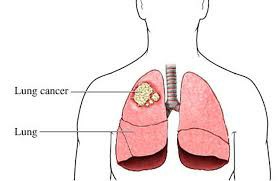
In addition to the general symptoms mentioned above, metastatic lung cancer may cause specific symptoms due to the spread of the cancer to different locations. For example, when cancer spreads to lymph nodes, patients may notice swollen lymph nodes, especially those in the neck or armpits. If the cancer spreads to the brain, it may cause symptoms such as memory problems, mood or personality changes, seizures, confusion, severe headaches, and weakness in the arms or legs. When cancer spreads to the liver, patients may experience abdominal discomfort or pain, poor appetite, weight loss, abdominal bloating (ascites), yellowing of the skin and whites of the eyes (jaundice), and itchy skin.
Additionally, if the cancer spreads to the bones, patients may experience symptoms such as pain, weak bones that may break or break, and increased levels of calcium in the blood. Of particular note is that if cancer cells in the vertebrae compress the spinal cord, it may cause emergency symptoms such as leg weakness, numbness, and loss of bladder or bowel control, requiring immediate medical attention. When cancer spreads to the adrenal glands, it usually causes no obvious symptoms. However, if the cancer affects the secretion of adrenal hormones, patients may experience symptoms such as loss of appetite, weight loss, nausea, abdominal pain, and weakness.
It is worth noting that there are also some rarer symptoms, such as swelling of fingers and nails, joint pain and swelling, etc., which is called hypertrophic pulmonary osteoarthropathy (HPOA). The occurrence of these symptoms also requires patients to pay attention and seek medical attention in time for further examination and treatment.
In summary, symptoms of metastatic lung cancer are complex and may vary from individual to individual. For patients who experience the above symptoms, they should seek medical treatment promptly and receive professional examination and treatment to control the condition, relieve symptoms, and improve the quality of life.
(Common lung cancer treatment drugs include: platinib, tepotinib, sotoracib, adagrasiib, entrectinib, lorlatinib, trametinib, dabrafenib, afatinib, osimertinib, crizotinib, etc. For specific drug details, please see the homepage of the website or click for consultation.)
Reference materials:https://www.cancerresearchuk.org/about-cancer/lung-cancer/metastatic/what-is
[ 免责声明 ] 本页面内容来自公开渠道(如FDA官网、Drugs官网、原研药厂官网等),仅供持有医疗专业资质的人员用于医学药学研究参考,不构成任何治疗建议或药品推荐。所涉药品可能未在中国大陆获批上市,不适用于中国境内销售和使用。如需治疗,请咨询正规医疗机构。本站不提供药品销售或代购服务。


