
.jpeg)
Does smoking cause non-small cell lung cancer?
Smoking is an important causative factor for non-small cell lung cancer (NSCLC), the most common type of lung cancer. NSCLC accounts for approximately 85% of all lung cancer cases, and smoking is directly linked to 80% to 90% of lung cancer deaths. Lung cancer may occur when normal cells in the lungs undergo abnormal changes and grow too fast and out of control. Lung cancer is mainly divided into two major categories: non-small cell lung cancer and small cell lung cancer (SCLC). Doctors distinguish between the two types by looking at the shape of the cancer cells under a microscope. Of note, smokers may develop NSCLC or SCLC, while NSCLC is more common in nonsmokers.
NSCLC is further subdivided into adenocarcinoma, squamous cell carcinoma, and large cell carcinoma based on the type of lung tissue involved. Adenocarcinoma originates from the alveolar epithelium or bronchial glands and is the most common type of NSCLC. Squamous cell carcinoma mostly originates from bronchial epithelial cells and is common in long-term smokers. Large cell carcinoma is rare, and its cancer cells have diverse morphologies and lack the typical features of small cell carcinoma, adenocarcinoma, and squamous cell carcinoma. Although these subtypes differ in morphology and origin, treatment options tend to follow similar approaches.
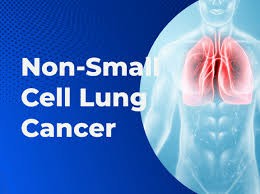
Smoking has a significant impact on the occurrence of lung cancer. Harmful substances in tobacco, such as nicotine, tar, etc., can damage lung cells, trigger inflammatory reactions, and may lead to cell canceration under long-term stimulation. In addition, smoking can interfere with the normal function of the lungs, reduce lung capacity, weaken immunity, and make the lungs more susceptible to infection and other damage. These factors work together to increase smokers' risk of developing lung cancer.
Although non-smokers can also develop lung cancer, smokers have a significantly higher risk of NSCLCthan non-smokers. Therefore, for smokers, quitting smoking is one of the most effective measures to prevent lung cancer. At the same time, regular lung cancer screening, such as low-dose CT scans, can help detect lung cancer early and improve the success rate of treatment.
In summary, smoking is an important causative factor for non-small cell lung cancer. Understanding the relationship between smoking and lung cancer is of great significance for preventing lung cancer and protecting lung health. For smokers, quitting smoking is a critical step in reducing the risk of lung cancer.
(Common lung cancer treatment drugs include: platinib, tepotinib, sotoracib, adagrasiib, entrectinib, lorlatinib, trametinib, dabrafenib, afatinib, osimertinib, crizotinib, etc. For specific drug details, please see the homepage of the website or click for consultation.)
Reference materials:https://www.drugs.com/medical-answers/smoking-non-small-cell-lung-cancer-3563400/
[ 免责声明 ] 本页面内容来自公开渠道(如FDA官网、Drugs官网、原研药厂官网等),仅供持有医疗专业资质的人员用于医学药学研究参考,不构成任何治疗建议或药品推荐。所涉药品可能未在中国大陆获批上市,不适用于中国境内销售和使用。如需治疗,请咨询正规医疗机构。本站不提供药品销售或代购服务。


