
.jpeg)
Can second-line treatment with osimertinib be reimbursed?
Whether second-line treatment with osimertinib can be reimbursed and the specific reimbursement ratio mainly depends on the medical insurance policy in the region where the patient is located.
Second-line treatment with osimertinib is usually reimbursable, but the specific reimbursement rate and reimbursement rate need to be determined based on the medical insurance policy of the patient's region. Generally speaking, osimertinib has been included in the national Class B medical insurance directory, which means that patients may enjoy medical insurance reimbursement when using osimertinib for second-line treatment.
Reimbursement rates vary by region and specific medical insurance policies. According to publicly released information, the reimbursement rate for osimertinib is roughly between 60% and 70%. This means that when patients use second-line treatment with osimertinib, medical insurance can reimburse most of the costs, but the specific reimbursement ratio needs to be determined according to the regulations of the local medical insurance department.
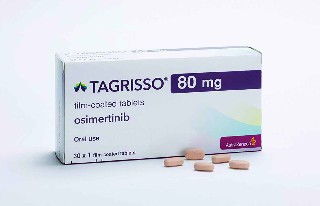
To enjoy medical insurance reimbursement for second-line treatment with osimertinib, patients usually need to meet certain conditions. These conditions may include:
Medical insurance insured persons: Patients must be medical insurance insured persons to enjoy medical insurance reimbursement benefits.
Indications requirements: Patients must meet the indication requirements for second-line treatment with osimertinib, such as EGFR T790M mutation-positive locally advanced or metastatic non-small cell lung cancer, etc.
Other conditions: Depending on local medical insurance policies, other conditions may need to be met, such as hospital grade, medication regulations, etc.
When patients enjoy medical insurance reimbursement, they usually need to follow certain reimbursement procedures. Before using osimertinib for second-line treatment, patients should first consult the relevant policies of the local medical insurance department or hospital to understand the specific reimbursement conditions and procedures. During or after treatment, patients need to submit a reimbursement application and provide relevant supporting materials such as medical expense invoices and medication records. The medical insurance department will review the patient's reimbursement application. After passing the review, the patient can obtain the corresponding medical insurance reimbursement.
Medical insurance policies may change at any time, and patients should keep abreast of the latest medical insurance policy information before using osimertinib for second-line treatment. Patients should use osimertinib strictly in accordance with the doctor's instructions and medication regulations to ensure the safety and effectiveness of the medication.
[ 免责声明 ] 本页面内容来自公开渠道(如FDA官网、Drugs官网、原研药厂官网等),仅供持有医疗专业资质的人员用于医学药学研究参考,不构成任何治疗建议或药品推荐。所涉药品可能未在中国大陆获批上市,不适用于中国境内销售和使用。如需治疗,请咨询正规医疗机构。本站不提供药品销售或代购服务。


