
.jpeg)
What is the efficacy of osimertinib in patients with advanced lung adenocarcinoma?
Osimertinib (generic name: osimertinib mesylate), a third-generation epidermal growth factor receptor tyrosine kinase inhibitor (EGFR-TKI), has demonstrated significant clinical efficacy in the treatment of patients with advanced lung adenocarcinoma carrying EGFR sensitive mutations.
Osimertinib works by specifically inhibiting EGFR mutants (including common L858R and exon 19 deletion, as well as the tyrosine kinase activity of the drug-resistant mutation T790M), blocks the EGFR signaling pathway, thereby inhibiting the proliferation and survival of tumor cells. This mechanism makes osimertinib an effective treatment for EGFR mutated lung adenocarcinoma.
According to the results of the FLAURAclinical3 trial, osimertinib can be used as a first-line treatment for advanced non-small cell lung cancer with EGFR sensitive mutations (NSCLC), the median progression-free survival (PFS) reached 18.9 months, which was significantly higher than the 4.2 months of traditional chemotherapy. The objective response rate (ORR) was 80% in the osimertinib group, but only 37% in the chemotherapy group.
For patients who develop T790M resistance mutations after first-line EGFR-TKI treatment, osimertinib also performs well as a second-line treatment option. A clinical trial for such patients showed that the median PFS of osimertinib was 10.1 months, which was significantly higher than that of chemotherapy, which was 4.4 months. The ORR of osimertinib in patients with these resistance mutations was 61%.
Osimertinib is on the marketEGFR also showed significant efficacy in patients with brain metastases from non-small cell lung cancer mutated. One study pointed out that osimertinib can achieve a median PFS of 22.1 months in patients with non-small cell lung cancer who develop brain metastases.
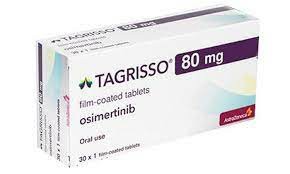
Osimertinib can effectively penetrate the blood-brain barrier and exert a good anti-tumor effect on intracranial lesions, which is particularly important for patients with brain metastases.
In addition to clinical trial data, real-world data further confirmed the efficacy of osimertinib in the treatment of advanced lung adenocarcinoma. For example, a study based on data released by the American Cancer Society showed that patients with EGFR mutation-positive advanced non-small cell lung cancer received first-line treatment with osimertinib monotherapy, with a response rate of 77% and a progression-free survival rate of 77% ( PFS) was 19.3 months, of which 55%of patients had no progression for 18 months.
FLAURA2ClinicalPhase 3 trial results show that the combination treatment regimen of osimertinib combined with chemotherapy can reduce the risk of disease progression or death by 38%. The results of the blinded independent central review (BICR) showed that osimertinib combined with chemotherapy can extend the median progression-free survival to 29.4 months, which is significantly higher than the 19.9 months of osimertinib monotherapy.
Although there are relatively few studies on the combination of osimertinib and immunotherapy, there are some preliminary studies that show the potential benefits of this combination treatment regimen. Future studies will further explore the efficacy and safety of this combination treatment.
The side effects of osimertinib are relatively controllable. Common adverse reactions include rash, diarrhea, fatigue, loss of appetite, and hypertension. Most patients tolerate these side effects and are relieved with appropriate symptomatic treatment. However, a small number of patients may develop more serious side effects, such as interstitial lung disease, which require close monitoring and prompt treatment by doctors.
Although osimertinib has achieved significant efficacy in the treatment of advanced lung adenocarcinoma, treatment response may vary between different patients. Therefore, the development of individualized treatment plans is particularly important. Doctors need to tailor the most appropriate treatment plan for the patient based on the patient's genetic test results, tumor characteristics, physical condition and other factors.
[ 免责声明 ] 本页面内容来自公开渠道(如FDA官网、Drugs官网、原研药厂官网等),仅供持有医疗专业资质的人员用于医学药学研究参考,不构成任何治疗建议或药品推荐。所涉药品可能未在中国大陆获批上市,不适用于中国境内销售和使用。如需治疗,请咨询正规医疗机构。本站不提供药品销售或代购服务。


