
.jpeg)
What is the best medicine for bile duct inflammation?
When bile ducts are inflamed, medication is an important treatment option. Here are some commonly used medications and their characteristics:
1. Antibiotic drugs
Cephalosporin drugs: such as cefixime capsules and cefradine capsules, etc., have broad-spectrum antibacterial activity and can effectively inhibit the growth and reproduction of a variety of bacteria, thereby alleviating symptoms caused by bile duct inflammation.
Amoxicillin: Suitable for cholangitis caused by sensitive strains of bacteria. It exerts a bactericidal effect by interfering with bacterial cell wall synthesis.
Ceftriaxone: As an antibiotic treatment option for bacterial cholangitis, it has broad-spectrum antibacterial activity and can effectively inhibit a variety of Gram-negative bacteria.
Clindamycin: It is effective in treating biliary tract infections caused by sensitive strains such as anaerobes and gram-positive cocci.
Metronidazole: It is suitable for the treatment of biliary system diseases caused by anaerobic bacterial infection. It can destroy the DNA structure of the pathogen.
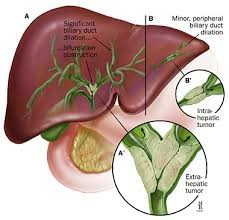
2. Choleretic drugs
Ursodeoxycholic acid: It can be used to treat cholestasis caused by cholangitis. It can promote bile secretion and excretion and help relieve inflammation.
Anti-inflammatory and choleretic tablets: It has the effects of clearing away heat, removing dampness and promoting choleresis, and can be used to improve the symptoms of cholangitis caused by damp-heat in the liver and gallbladder.
3. Other drugs
Omeprazole: A proton pump inhibitor that can be used to treat the symptoms of cholangitis caused by gastroesophageal reflux disease by reducing gastric acid secretion, thereby reducing the irritation and damage caused by the reflux of gastric contents into the bile ducts.
Antispasmodic and analgesic drugs: such as aspirin, acetaminophen, etc., can be used to relieve abdominal pain and other symptoms caused by bile duct inflammation.
When bile ducts are inflamed, medications should be used under the guidance of a doctor to avoid the risks of self-medication. Some drugs may have side effects, such as diarrhea, nausea, etc. You should pay close attention to changes in your physical condition during use. While treating cholangitis, you should also pay attention to dietary hygiene and avoid spicy and high-fat foods to avoid aggravating the condition.
(Click to view the introduction of drugs for the treatment of cholangiocarcinoma. For specific drug details, please click for one-on-one consultation.)
Reference materials:https://pubmed.ncbi.nlm.nih.gov/9951953/
[ 免责声明 ] 本页面内容来自公开渠道(如FDA官网、Drugs官网、原研药厂官网等),仅供持有医疗专业资质的人员用于医学药学研究参考,不构成任何治疗建议或药品推荐。所涉药品可能未在中国大陆获批上市,不适用于中国境内销售和使用。如需治疗,请咨询正规医疗机构。本站不提供药品销售或代购服务。


