
.jpeg)
How much does a box of bedaquiline cost?
Bedaquiline is a new anti-tuberculosis drug specifically used to treat multidrug-resistant tuberculosis (MDR-TB). Developed by Janssen Pharmaceuticals, bedaquiline was accelerated approval by the U.S. Food and Drug Administration (FDA) in 2012, becoming the first new anti-tuberculosis drug to be released in 40 years. Its main mechanism of action is to inhibit the activity of Mycobacterium tuberculosis ATP synthase, block bacterial energy production, and cause bacterial death. ATPSynthase is an enzyme necessary for bacterial life-sustaining activities. Therefore, the unique mechanism of action of bedaquiline makes it show a strong effect in the treatment of drug-resistant tuberculosis.
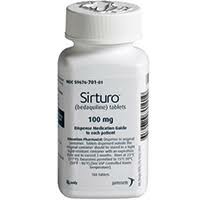
Bedaquiline has been launched in China and has been included in medical insurance. Patients can purchase it domestically. Its 100mg*24 tablet size is around 6,000 to 7,000 yuan. The final price and medical insurance reimbursement ratio need to be determined according to the specific policies of local hospital pharmacies. There are original drugs and generic drugs abroad. The cheaper original drugs are mainly the Russian version. The price of its 100mg*188 tablets is more than 10,000 yuan, which is significantly more affordable than the domestic version. Generic drugs are mainly Indian generic drugs. Similarly, the specification of 100mg*188 tablets is only more than 2,000 yuan, and the ingredients are basically the same as the original drugs.
Bedaquiline is generally used as part of combination therapy for multidrug-resistant tuberculosis, often in combination with other anti-tuberculosis drugs to improve efficacy and reduce the risk of drug resistance. Its recommended dose is once a week, and treatment usually lasts for 24 weeks. Studies have shown that bedaquiline significantly improves treatment success and shortens the duration of tuberculosis treatment. However, bedaquiline needs to be used with caution because there may be some adverse reactions, including prolongation of QT interval, abnormal liver function, nausea, joint pain, etc. QTInterval prolongation is a heart-related adverse reaction that may increase the risk of arrhythmias. Patients should monitor electrocardiogram and liver function when using it.
[ 免责声明 ] 本页面内容来自公开渠道(如FDA官网、Drugs官网、原研药厂官网等),仅供持有医疗专业资质的人员用于医学药学研究参考,不构成任何治疗建议或药品推荐。所涉药品可能未在中国大陆获批上市,不适用于中国境内销售和使用。如需治疗,请咨询正规医疗机构。本站不提供药品销售或代购服务。


