
.jpeg)
The role and efficacy of the anti-tuberculosis drug bedaquiline
Bedaquiline is an anti-tuberculosis drug specifically used to treat multidrug-resistant tuberculosis (MDR-TB). It has important therapeutic significance for those tuberculosis patients who are ineffective in conventional drug treatment. As a new anti-tuberculosis drug, bedaquiline is one of the major breakthroughs in the treatment of drug-resistant tuberculosis infections in recent years, bringing new hope for tuberculosis control.
1.Mechanism of action
Bedaquiline is unique in that its mechanism of action is completely different from traditional anti-tuberculosis drugs. It works by selectively inhibiting the ATP synthase of Mycobacterium tuberculosis. ATPsynthase is a key enzyme responsible for generating ATP, and ATP is the energy source necessary for the growth and reproduction of tuberculosis bacteria. Bedaquiline effectively inhibits the growth of tuberculosis bacteria by preventing the synthesis of ATP, causing bacteria to gradually lose energy and die. This novel mechanism allows bedaquiline to overcome drug resistance problems that are difficult to deal with with conventional anti-tuberculosis drugs and reduce the risk of cross-resistance with other drugs.
2.Efficacy and efficacy
The clinical efficacy of bedaquiline has been verified in multiple trials, especially in the treatment of multidrug-resistant tuberculosis. In a pivotal Phase II clinical trial (the C208 study), bedaquiline combined with standard multidrug-resistant tuberculosis treatment resulted in significantly higher sputum negative conversion rates than placebo. During 24 weeks of treatment, the sputum bacterial negative conversion rate in the bedaquiline group reached 79%, while that in the placebo group was only 58%. This shows that bedaquiline can significantly improve the cure rate of multidrug-resistant tuberculosis and help shorten the course of the disease. In addition, the efficacy of bedaquiline has been continuously verified in long-term follow-up, and the cure rate at 72 weeks is still significantly better than traditional treatment options.
Another open-label, single-arm trial (C209study) further confirmed the effectiveness of bedaquiline. The study subjects were high-risk multidrug-resistant tuberculosis patients in multiple countries around the world. The results showed that bedaquiline also showed good efficacy and a high cure rate in these severely drug-resistant cases. These data prompted the World Health Organization (WHO) to report in 2018Bedaquiline was listed as one of the core therapeutic drugs for multidrug-resistant tuberculosis.
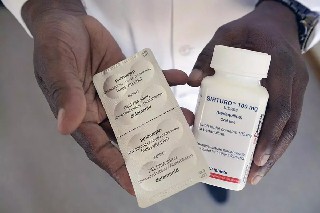
3.How to use
Bedaquiline is usually administered orally daily in combination with other anti-tuberculosis drugs, and the recommended course of treatment is 24 weeks (approximately 6 months). During the first two weeks, the patient took 400 mg of bedaquiline daily, then switched to 200 mg three times a week until the entire course of treatment was completed. Bedaquiline must be used in combination with other effective anti-tuberculosis drugs to maximize efficacy and reduce the risk of drug resistance.
4.Safety and Side Effects
Although bedaquiline has significant efficacy, safety issues need to be paid attention to when using it. The most common and concerning side effect is QT prolongation, a heart abnormality that may lead to arrhythmia. Because of this risk, patients should undergo regular ECG monitoring while taking bedaquiline to ensure stable cardiac function. In addition, bedaquiline may also cause liver function damage, so it is recommended to regularly test liver function indicators during use, especially for patients with a history of liver disease.
Other common adverse reactions include nausea, headache, joint pain, and chest pain, but the incidence of these side effects can usually be reduced with appropriate management and monitoring. In summary, the standardized use of bedaquiline under the guidance of doctors can significantly improve the treatment effect of drug-resistant tuberculosis while effectively managing possible side effects.
Bedaquiline, with its unique mechanism of action and significant efficacy, has become an important milestone in the treatment of multidrug-resistant tuberculosis. Clinical trials have proven that it can significantly increase the cure rate and improve patient prognosis, especially in complex and refractory cases. Although there is a certain risk of side effects, doctors can achieve ideal therapeutic effects when using bedaquiline under strict monitoring and management, bringing a new dawn to tuberculosis control. The promotion and popularization of this drug, especially with the support of medical insurance and international aid projects, is helping more drug-resistant tuberculosis patients around the world receive timely and effective treatment.
[ 免责声明 ] 本页面内容来自公开渠道(如FDA官网、Drugs官网、原研药厂官网等),仅供持有医疗专业资质的人员用于医学药学研究参考,不构成任何治疗建议或药品推荐。所涉药品可能未在中国大陆获批上市,不适用于中国境内销售和使用。如需治疗,请咨询正规医疗机构。本站不提供药品销售或代购服务。


