
.jpeg)
Does Platinib have serious side effects? What are the side effects?
Platinib is an innovative drug that targetsRET (rearrangement during transfection) fusion gene mutations and is mainly used to treat non-small cell lung cancer and thyroid cancer. It specifically inhibits the abnormal activation of RET protein and blocks the growth and spread of tumor cells, bringing new treatment hope to cancer patients carrying RET gene mutations. However, as a drug, platinib can come with a range of side effects. So, does this drug have serious side effects? What are the side effects?
The side effects of platinib vary from person to person. Patients should pay attention to their own discomfort symptoms during medication and communicate with their doctors in a timely manner.
The most common side effects of platinib include muscle or joint pain, constipation or diarrhea, high blood pressure, low blood counts or other abnormal laboratory test results, fatigue, edema, fever, and cough. These symptoms are usually mild and may gradually lessen or disappear as treatment continues. However, some patients may experience more serious side effects that require close attention and prompt management.
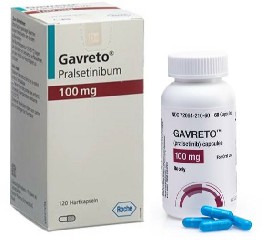
On the hematologic side, platinib may cause a decrease in white blood cell, red blood cell, and platelet counts, as well as changes in electrolyte levels in the blood, such as decreased levels of phosphate, sodium, calcium, and potassium. In addition, abnormal liver function is also one of the common side effects, manifested by increased levels of enzymes such as alkaline phosphatase in the blood.
Platinib may also cause inflammation of the lungs during treatment, a serious or life-threatening side effect. Patients may develop symptoms such as shortness of breath, cough, and fever and need immediate medical attention. High blood pressure is a common side effect of Platinib and can cause symptoms such as headache, shortness of breath, dizziness and chest pain.
Liver problems are also one of the possible side effects of platinib, which can manifest as jaundice, dark urine, loss of appetite, nausea, vomiting, and pain in the right upper abdomen. In addition, platinib may cause bleeding problems, which may even lead to death in severe cases. Patients may experience symptoms such as vomiting blood, pink or brown urine, black stools, coughing up blood, or blood clots and need immediate medical attention.
In addition to the above-mentioned side effects, Platinib may also cause tumor lysis syndrome, wound healing problems, effects on fertility, and allergic reactions. In growing children, Platinib may also affect the growth plates and requires special attention.
In short, platinib, as a powerful targeted therapy, brings new treatment hope to cancer patients carryingRET gene mutations, but it is also accompanied by a series of potential side effects. Patients should fully understand these side effects before using platinib, closely monitor their physical condition during treatment, and communicate with their doctors in a timely manner to ensure the safety and effectiveness of treatment.
[ 免责声明 ] 本页面内容来自公开渠道(如FDA官网、Drugs官网、原研药厂官网等),仅供持有医疗专业资质的人员用于医学药学研究参考,不构成任何治疗建议或药品推荐。所涉药品可能未在中国大陆获批上市,不适用于中国境内销售和使用。如需治疗,请咨询正规医疗机构。本站不提供药品销售或代购服务。


